
Ask Russians which novel they actually love — not the one they were made to read — and many will say Mikhail Bulgakov's The Master and Margarita. The Devil arrives in 1930s Moscow, a cat walks on two legs and pays for the tram, and a novel inside the novel retells the story of Pontius Pilate.
Why this book, of all books
Bulgakov worked on it until his death in 1940. It was first published, in censored form, in a magazine in 1966–67 — more than a quarter of a century later. By then it read like a secret message: satire of Soviet bureaucracy, a love story, and a serious novel about cowardice and mercy, all at once.
Its lines went straight into everyday speech. "Manuscripts don't burn." "Never talk to strangers." "Never ask for anything." You will hear them from people who have not opened the book since school.
If you read it
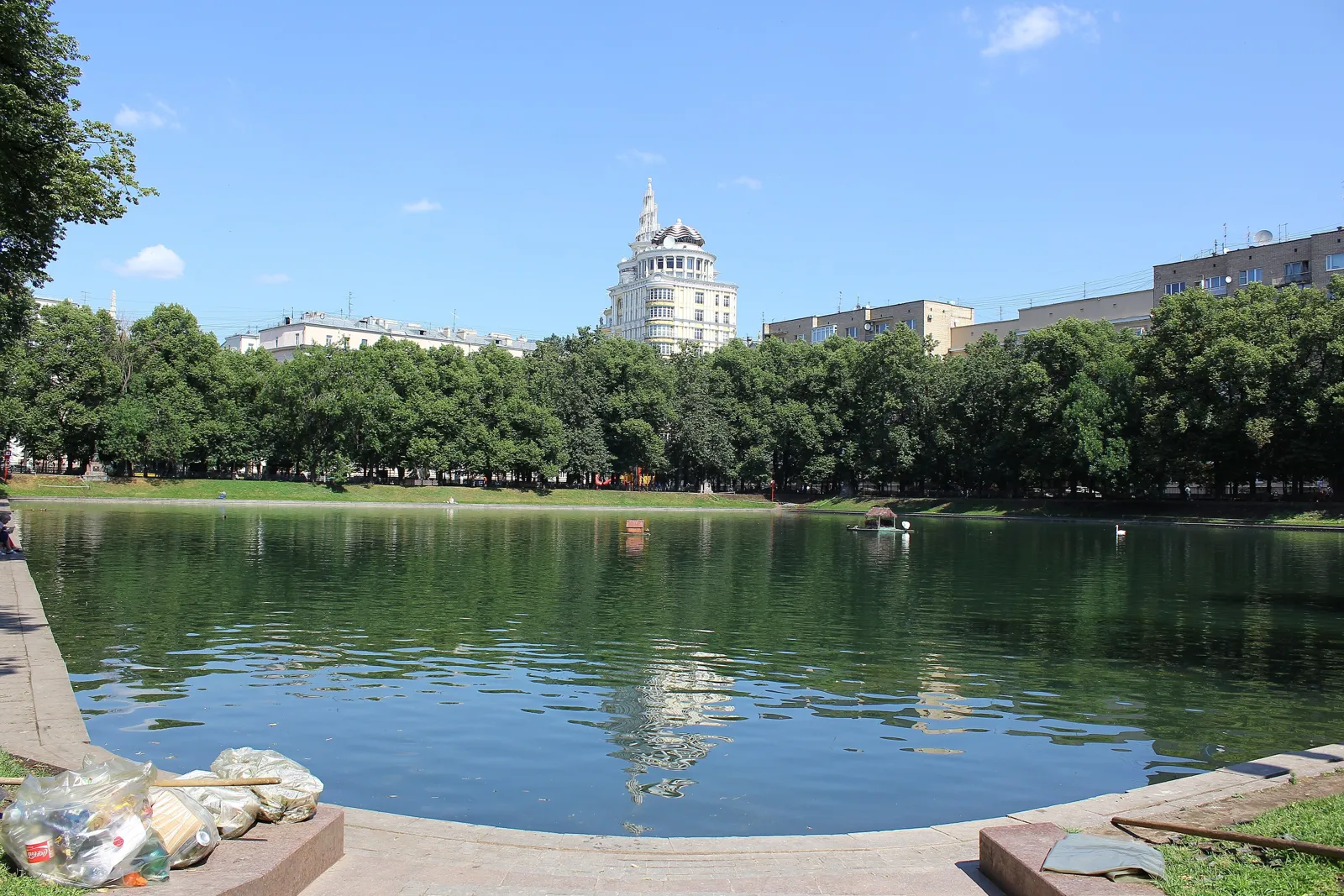
Look for a recent English translation with notes — the Moscow satire is full of references that are invisible without them. Then walk to Patriarch's Ponds, where the first chapter begins.

Seven words with no English twin
Translators argue about these. Here is the short version.
- 01
toska
Тоска
A deep, aching longing — often for something you cannot name. Nabokov wrote that no single English word renders all its shades.
- 02
poshlost
Пошлость
Not just vulgarity: the smug, fake, self-satisfied kind of bad taste. Also a Nabokov favourite.
- 03
avos
Авось
"Maybe it will work out." Hope that replaces planning — said half as a joke, half as a life philosophy.
- 04
nadryv
Надрыв
Emotion pushed to breaking point, often on purpose. Very Dostoevsky.
- 05
bytie / byt
Бытие / быт
Byt is everyday domestic routine; bytie is existence itself. Russian literature constantly sets one against the other.
- 06
dusha
Душа
Literally "soul", but used far more casually: a conversation "po dushám" is a heart-to-heart, usually in a kitchen.
- 07
styob
Стёб
Deadpan irony so complete you cannot tell whether the speaker is serious. A late-Soviet survival skill.
What we are not claiming
"Untranslatable" is a figure of speech: every word here can be explained, just not in one word. And no single book explains a country — this one only explains why Russians smile when you mention a large black cat.