
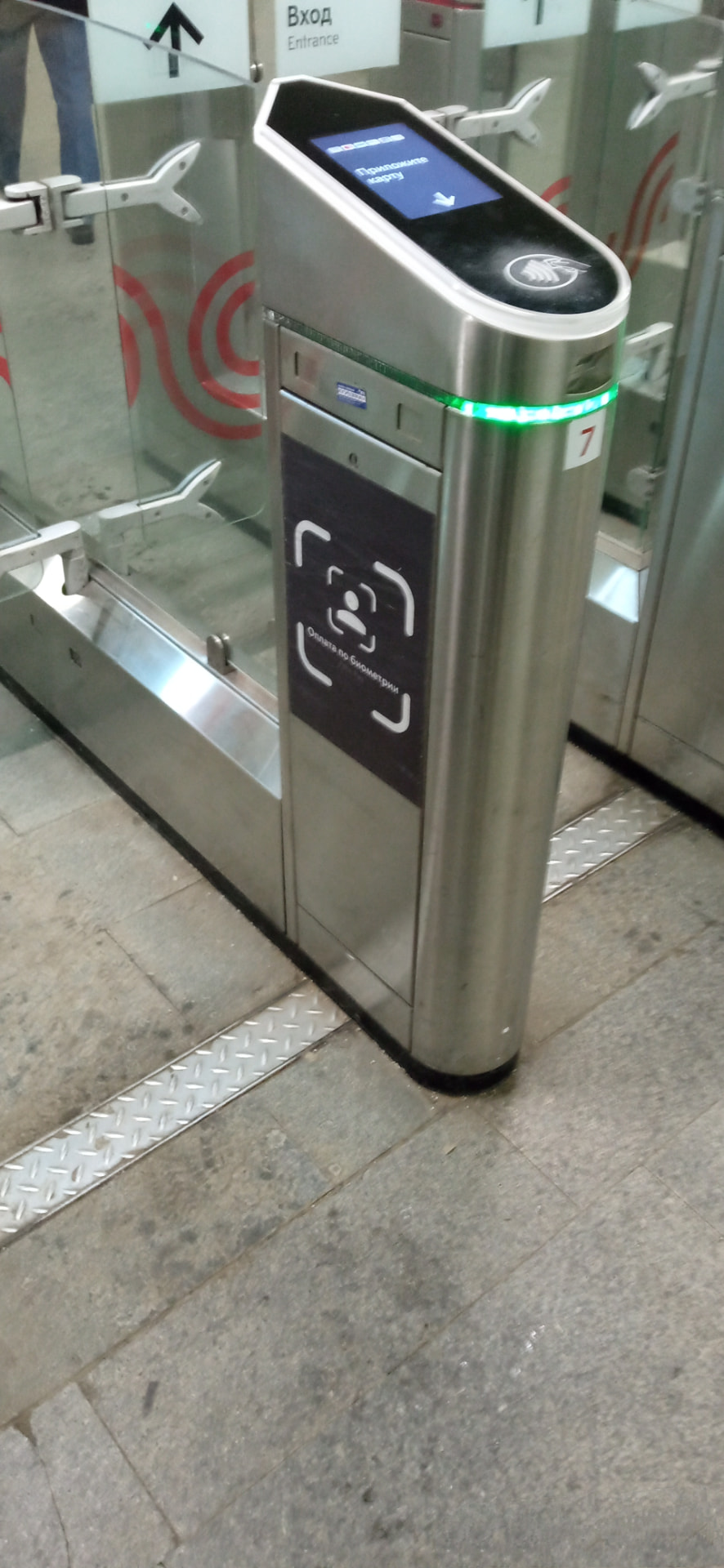
In Russia in 2026 daily payments run on domestic infrastructure: Mir cards, bank-to-bank transfers by phone number (SBP), QR codes at the till, and in Moscow face recognition at metro turnstiles. Foreign Visa and Mastercard issued abroad do not work, so visitors rely on cash on arrival and, where eligible, a locally issued card.
Key facts · Figures from our dated cost-of-living guide, 2026
- What works in shops: Mir cards, SBP transfers by phone number, QR codes, cash
- What does not work: Apple Pay, Google Pay, and foreign-issued Visa / Mastercard
- Metro in Moscow: Troika card, bank card, QR ticket, or Face Pay biometrics
- Home internet: 500 Mbps–1 Gbps for 500–700 RUB per month
- Mobile plan: 30 GB plus unlimited calls for 500–700 RUB per month
The assumption I hear most often from friends abroad is that payments in Russia went backwards — that the country returned to envelopes of cash and paper receipts. What actually happened is stranger and more interesting: the tap-to-pay habit moved from Silicon Valley rails onto domestic ones, and for people living here the daily experience got faster, not slower.
This is not a claim that everything is better. Half of this article is about what is genuinely worse. But if you are landing here as a tourist, a student or a remote worker, you need the real map, not the stereotype.
1. How people actually pay
Three habits cover almost everything. First, a Mir card — the domestic card scheme — tapped on a terminal exactly as you would anywhere else. Second, SBP, the central bank's instant transfer system: you send money to another person by typing their phone number, it arrives in seconds, and it is free for ordinary amounts. Splitting a restaurant bill takes about fifteen seconds and nobody reaches for cash.
Third, QR codes. At a market stall, a coffee counter or a small barbershop the cashier shows a QR code, you scan it in your banking app, and the payment is a transfer rather than a card transaction. Small businesses like it because the fees are lower.
If you are visiting
Bring cash and exchange it here. A Visa or Mastercard issued outside Russia will be declined at the till and at the ATM, so do not plan a trip around it. Some visitors with a longer legal stay open a local account and get a Mir card, which requires paperwork and time — see our payments page for the current picture.
2. The conveniences that surprise people
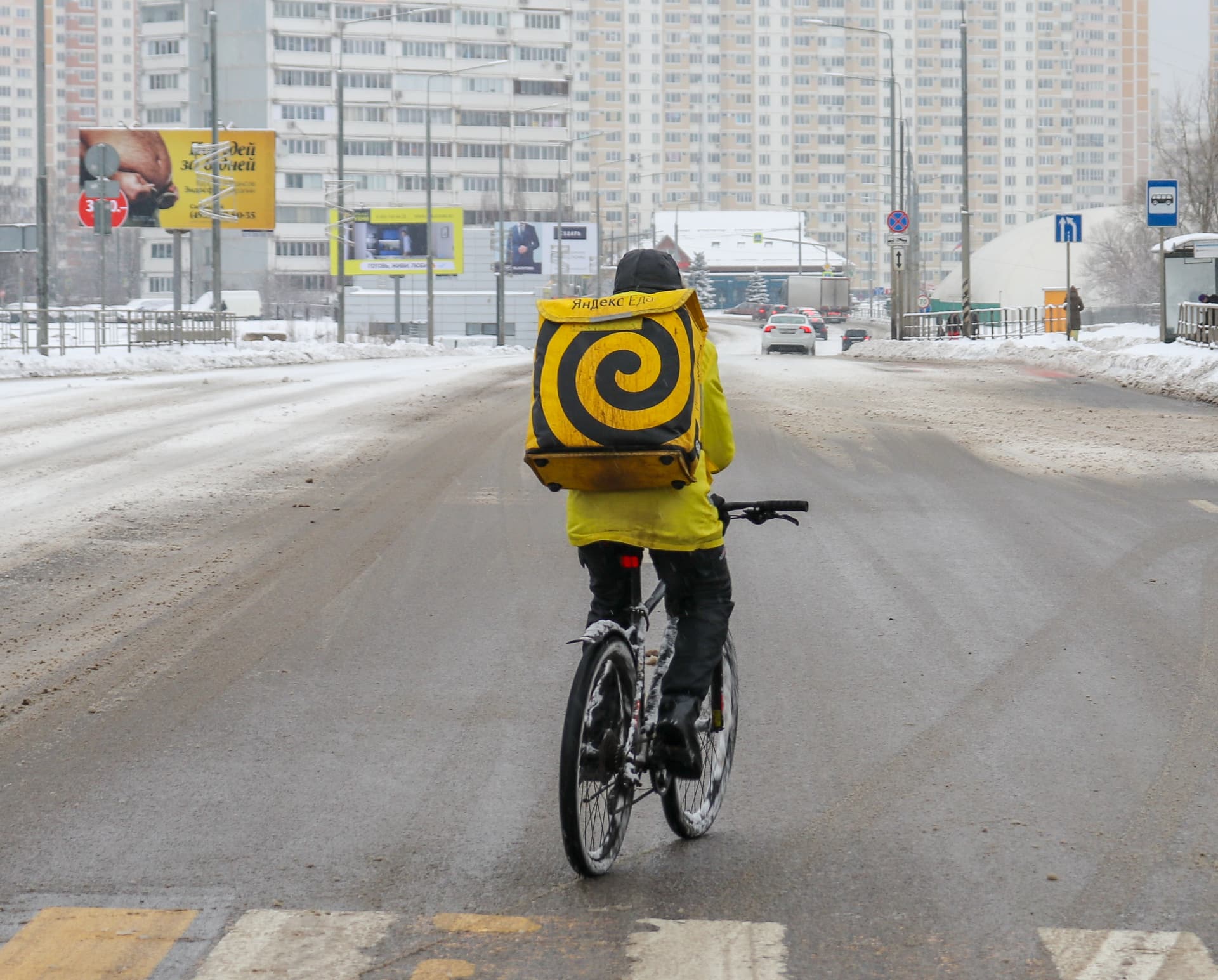
Fifteen-minute grocery delivery. Not a premium service — a normal Tuesday-evening habit in big cities. You order milk and bread from your phone and a courier brings it from a dark store a few streets away.
Face Pay in the Moscow metro. You link a photo and a card once in the transport app, then walk through the turnstile without taking anything out of your pocket. It is optional — Troika cards and bank cards still work — and it is the single thing visitors film most often.
Government services in an app. Appointments, documents, fines, school records and clinic bookings largely live in one place rather than in queues.
Cheap, fast connectivity. Gigabit fibre and a generous mobile plan each cost a few hundred roubles a month. For anyone arriving from London, Lisbon or Toronto, the bill is the shock.
The country did not lose contactless payment. It replaced the company that owned it.
3. What is genuinely worse
Paying for anything abroad. A card issued in Russia will not work on most foreign websites. Subscriptions, app stores, hosting, plane tickets from foreign airlines, conference fees — all of this becomes a workaround problem rather than a two-tap purchase.
Apps disappear from stores. Some banking apps have to be sideloaded or reinstalled after being pulled, which is a recurring nuisance rather than a one-off.
Roaming and two-factor codes. Foreigners often discover that the SMS code they need arrives on a number they no longer use, and that a local number is the key that unlocks half of the digital comfort described above.
Cross-border transfers. Sending money in or out is the single most complicated part of everyday financial life here, and it changes often enough that we date every page that touches it.
What we are not claiming
We are not claiming that convenience settles any political argument, and we are not claiming it is the same in every city — the fifteen-minute delivery and biometric turnstiles are big-city features. Rules for opening an account and for cross-border payments change; check the dated pages below before you act on anything here.