
The short version
Sometime around 2019 a teenager in Ohio, a student in São Paulo and a barista in Lisbon all started listening to the same thing: slow, cheap-sounding post-punk sung in Russian, over video of concrete apartment blocks in the snow. None of them spoke the language. It did not seem to matter.
The internet named the mood doomer — a person sitting in a dark kitchen at 3 a.m. with a cigarette and no plan — and the soundtrack came from Minsk, Novosibirsk and Rostov-on-Don. Six years later those bands sell out venues in Berlin, Mexico City and Los Angeles, and most of their audience still has no idea what the words mean.
This is a field guide: what the sound is, which cities made it, and five tracks to start with tonight.
Five tracks, in order
Tap a card to read what the song is actually about
- 01
Molchat Doma
Судно (Боль) · Bedpan (Pain)
One bassline, one drum machine, a voice recorded like it is coming through a wall.
Стеклянный дом, разбитый в кровьA glass house, beaten bloody
- 02
Motorama
Alps
Bright jangling guitars over a flat, patient drum pattern. Sung in English with a soft accent.
I will be waiting for you in the alps
- 03
Ploho
Твои глаза · Your Eyes
Colder and slower. Guitar as a knife edge, bass doing the melody, almost no reverb on the voice.
Твои глаза — два чёрных окнаYour eyes — two black windows
- 04
Buerak
Чёрная магия · Black Magic
Faster, wiry, almost danceable. Two guys, a guitar and a drum machine with no apologies.
Я не верю в чёрную магиюI do not believe in black magic
- 05
Kino
Группа крови · Blood Type
The ancestor. Drum machine, one guitar figure, a baritone that every person here can recognise in two seconds.
Группа крови — на рукавеBlood type — on my sleeve
Why it sounds like that
Three technical facts explain most of the genre. The drums are usually a drum machine, because a drum kit needs a rehearsal room and neighbours who tolerate it. The recording is deliberately thin and tape-warm, because the first albums were made on laptops in flats, and the bands kept that sound once they could afford better. And the bass carries the melody, which is what gives every track that walking-home-alone momentum.
The genre did not travel because of the lyrics. It travelled because the bassline sounds like walking home in the cold, and that translates into every language.
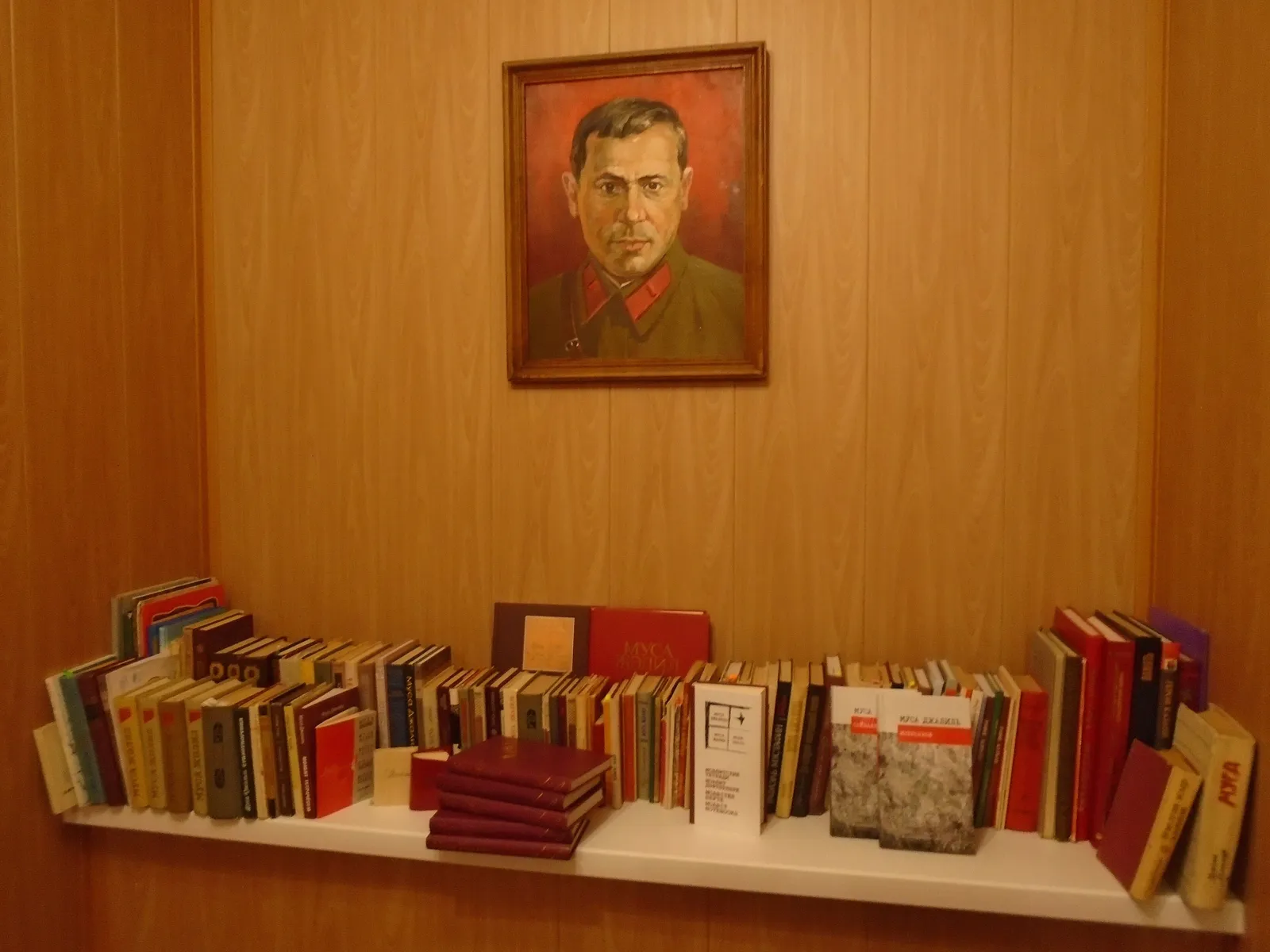
The visual half matters just as much. The video that made this music famous was almost never an official clip — it was a still photograph of a Soviet-era panel block at dusk, with the track laid over it. That image is the genre's album cover, and it is a real place: rows of nine- and sixteen-storey blocks, courtyards with birches and parked cars, lit stairwells, snow.
Geography of the sound
| City | What comes from there | Start with |
|---|---|---|
| Novosibirsk (Siberia) | The coldest, most severe end of the wave. Long winters, industrial skyline, cheap rehearsal space. | Ploho, Buerak |
| Rostov-on-Don (south) | Warmer, jangly, often sung in English — closer to 1980s Manchester than to Siberia. | Motorama |
| St Petersburg | The art-school wing: synths, noir lyrics, deliberate decadence. | Electroforez |
| Minsk (Belarus) | The band that broke the wave worldwide — Belarusian, singing in Russian. | Molchat Doma |
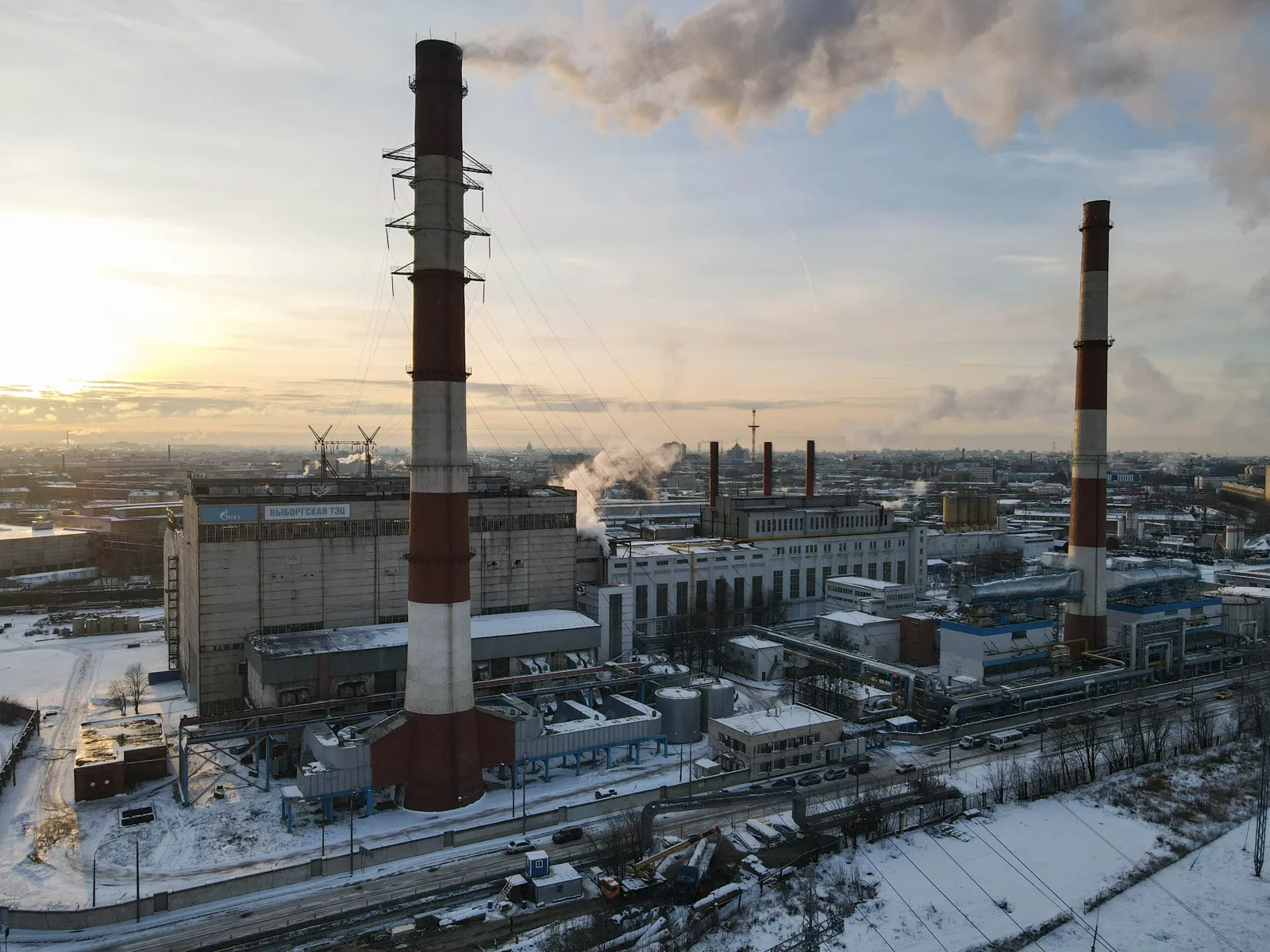
Notice what is missing from that table: Moscow. The capital has the venues and the labels, but the sound itself came from cities where there was less to do and more time to spend in a kitchen with a guitar.
The starter pack
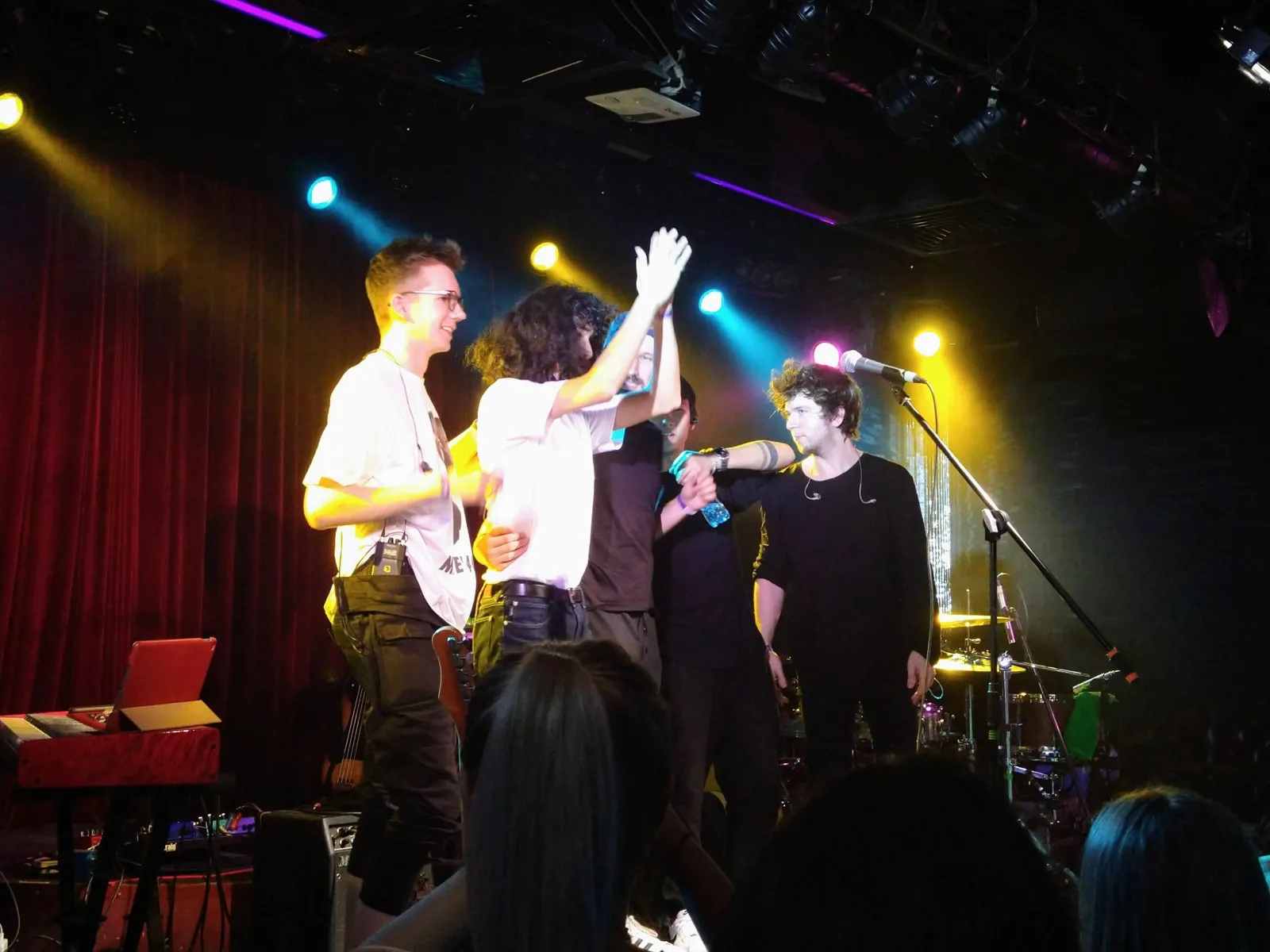
If you want the full experience
- Listen at night, walking, in winter if you have one. The music is built for it.
- Do not read the lyric translations on the first pass. Get the mood, then get the words.
- Follow the algorithm sideways: Detriti Records, Kissing Bomb and the "russian post-punk" playlists lead to two dozen more bands within an hour.
- Then go backwards to 1980s Leningrad rock — Kino, Nautilus Pompilius, Alliance. Everything above is a grandchild of that decade.
Seen from here
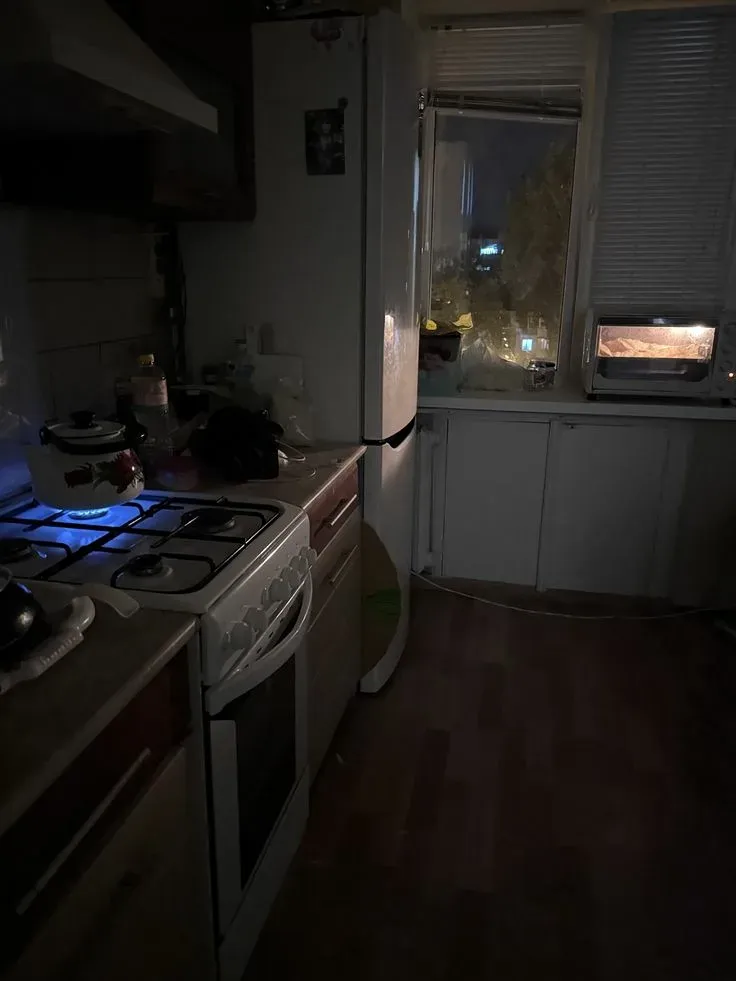
I grew up with these courtyards as ordinary scenery — the place you cross to get to the shop, not an aesthetic. Watching a generation abroad adopt them as a symbol of melancholy is genuinely strange and a little funny. The blocks are not ruins. They are full of people, the lifts work most of the time, and the kitchen where the doomer sits at 3 a.m. usually smells of somebody's dinner.
What the foreign audience got right is the feeling. Not despair — something calmer and more specific: the acceptance that a week looks like the last one, and that beauty shows up anyway, at seven in the morning, between two grey buildings.
What we are not claiming
- That this is the dominant music here. It is not. Rap and mainstream pop are vastly bigger locally.
- That the genre says anything about politics. These are mostly love songs and jokes about being bored.
- That the bands are one nationality. The most famous of them are Belarusian, and the scene is spread across several countries and languages.