

The short answer
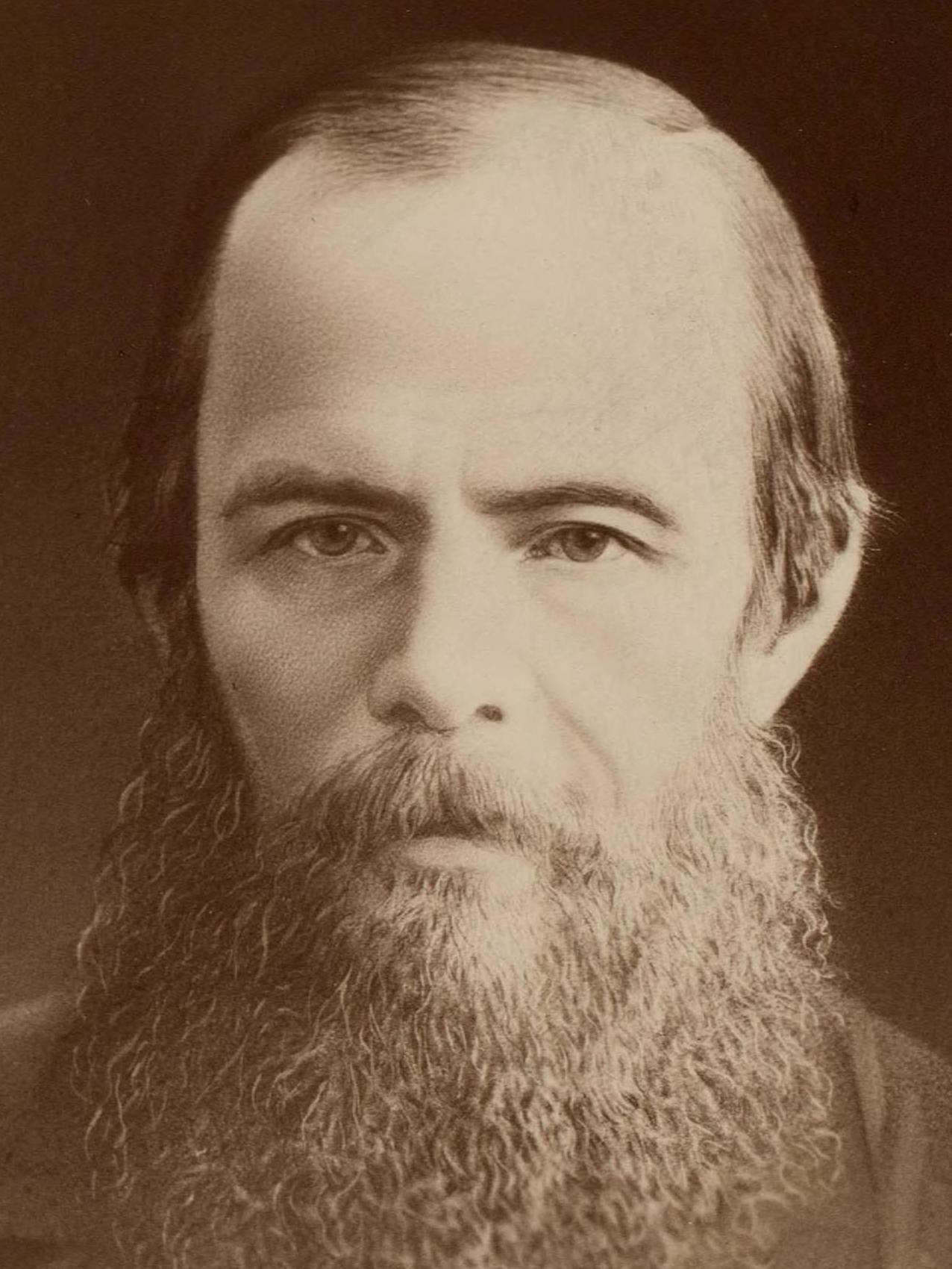
A short Dostoevsky novella from 1848 — White Nights — went viral on TikTok and Instagram, and the sales followed. Reporting through 2025 and 2026 traced the same pattern across several markets: a surge in Brazil described by France 24 as a rise of more than 460 per cent, a place near the top of the translated-classics charts in the UK, and tens of millions of views on hashtags around the author's name, as covered by The Guardian and Fast Company. From there readers moved on to Crime and Punishment and The Brothers Karamazov.
The recurring phrase in those posts is the solitary dreamer — the narrator of White Nights, a young man who walks a city at night, has no one to talk to, and has built a rich interior life in place of a shared one. That is the hook. Not Russia, not history, not philosophy: recognition.
What White Nights actually is
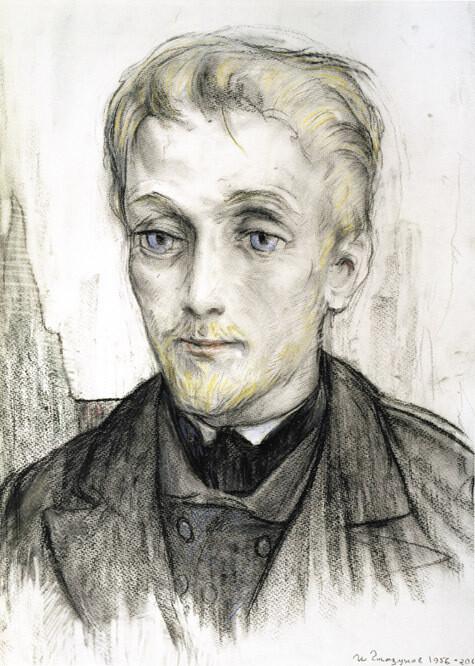
It is short — an evening's reading. Four nights and a morning in St Petersburg during the weeks in June when the sky never fully darkens. A nameless narrator, who admits he has lived in the city for years without making a single friend, meets a young woman crying on an embankment. They agree to meet again. They talk. She is waiting for someone else.
There is no murder, no courtroom, no five-hundred-page argument about God. What there is: loneliness described with unusual precision, the particular intensity of a friendship that lasts four days, and an ending that is generous rather than bitter. The narrator says the four nights were enough for a whole life, and it is not clear whether he is being brave or lying to himself.
That ambiguity is why the book travels. A 19-year-old in São Paulo posting about it is not making a claim about Russian literature. They are pointing at a character who spends more time imagining conversations than having them, and saying: this is me, and it was written in 1848.
Why now
Three things about the book fit the platform it became popular on. It is short, so it can be finished in the window between recommendation and forgetting. It is public domain, so free editions are one tap away in every language. And it is quotable in a way that survives a caption: whole passages read as though they were written to be screenshotted.
The deeper fit is the subject. The novella is about a person whose social life happens mostly inside his own head, and who is more comfortable with the version of people he has imagined than with the people themselves. Written before the telegraph. Read now by a generation that has been told, repeatedly and by everyone, that it is the loneliest on record.
Note what is not doing the work here. Nobody arrived at this book through a Russian institution, a cultural programme or a literature course. It spread horizontally, between readers, in Portuguese and English and French, because the description of a feeling was accurate.
Where to go after it
| If White Nights worked for you because… | Read next | Why |
|---|---|---|
| the loneliness was the point | Notes from Underground | The same isolation, angrier and without the tenderness |
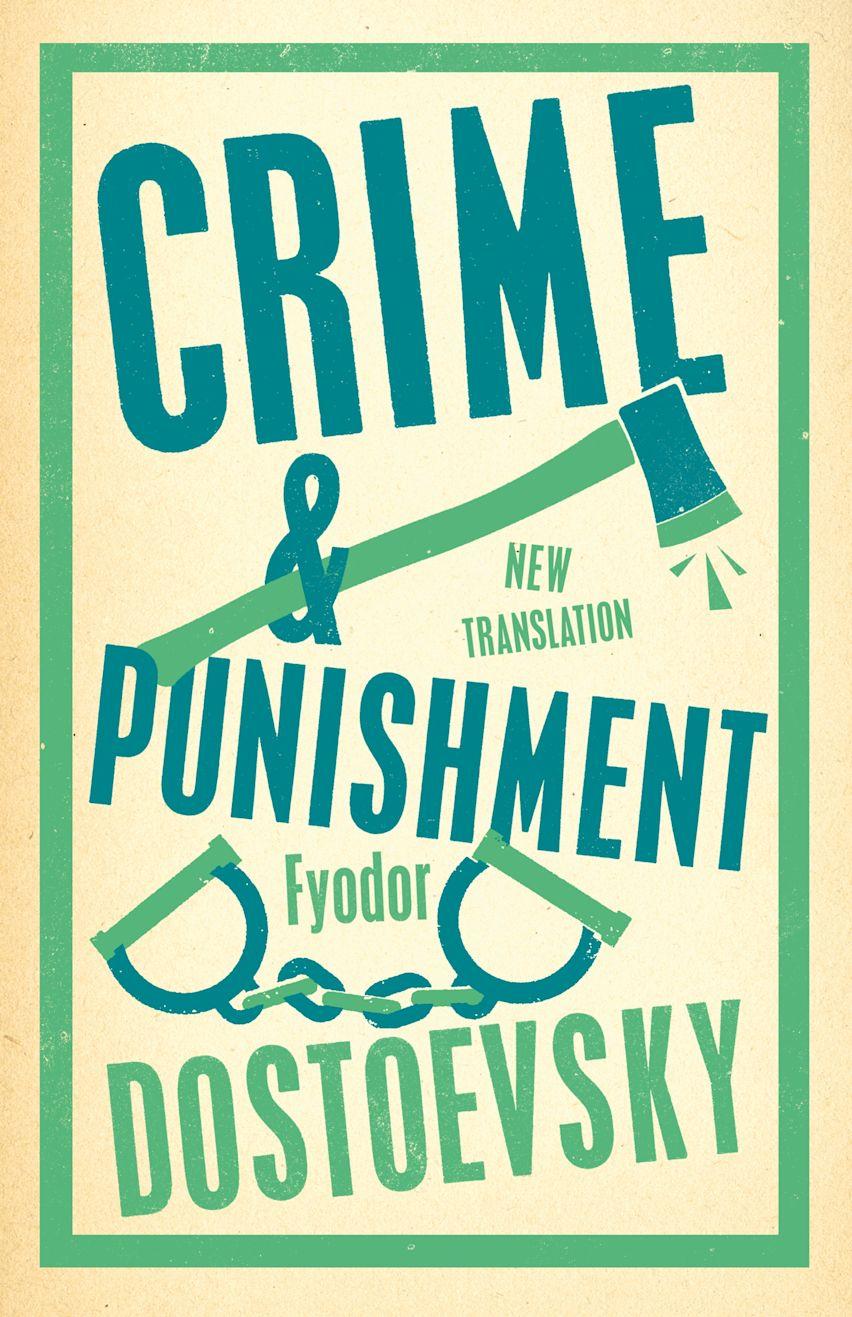
| you wanted the story to keep going | Crime and Punishment | Same city, same poverty, a plot that grips from the first chapter |
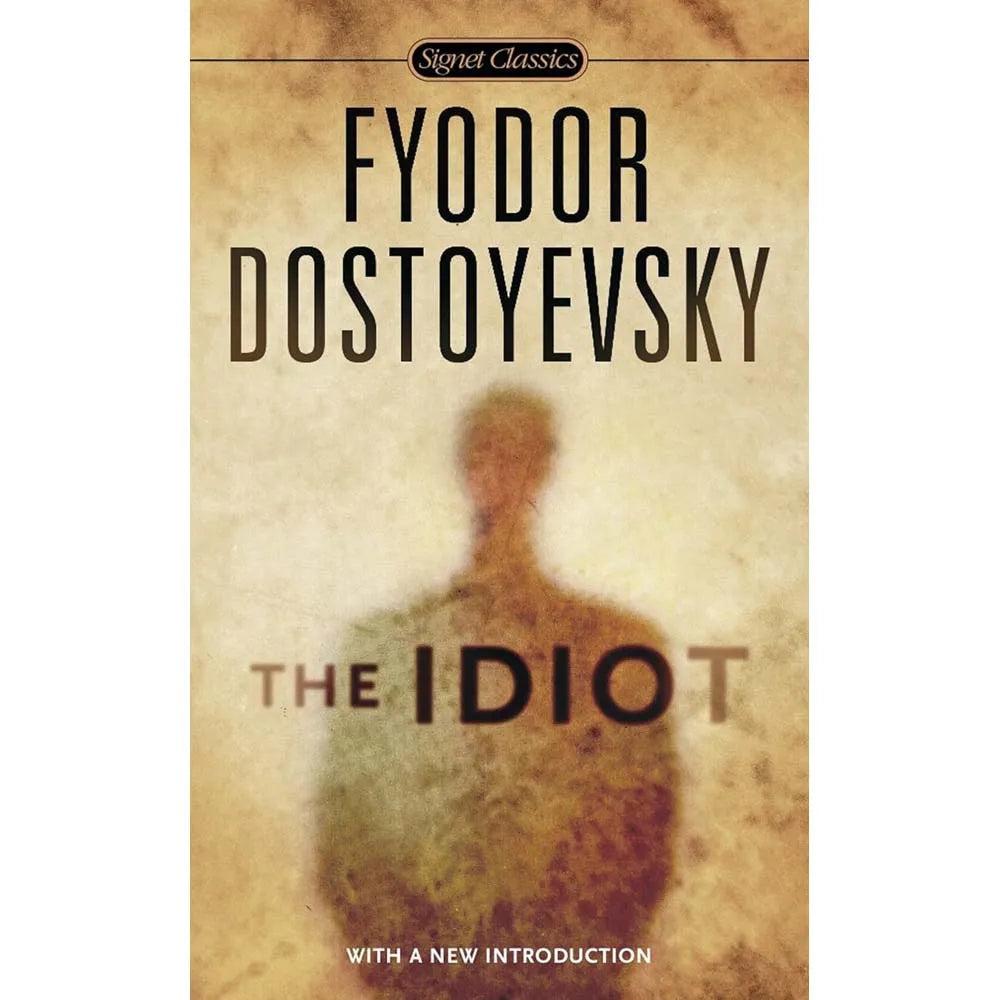
| you liked the narrator's decency | The Idiot | A genuinely good man dropped into a society that cannot handle him |
| you want the whole argument | The Brothers Karamazov | God, freedom, guilt and family, at full length |
One practical note that matters more than people expect: the translation changes the book. If a sample reads stiff, try a different one before deciding the author is not for you.
The city in the book, and the city now
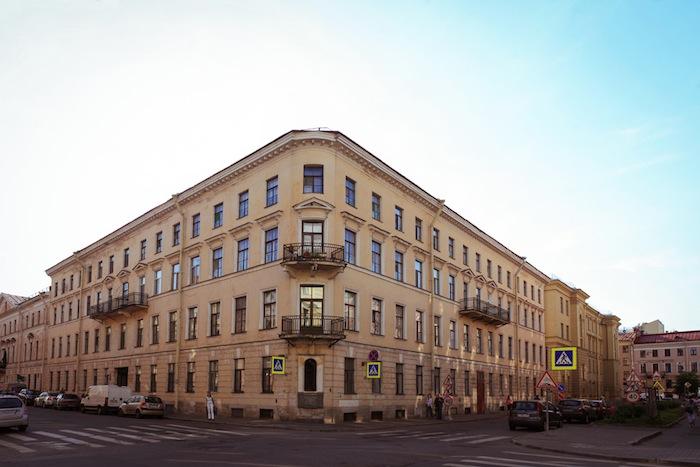
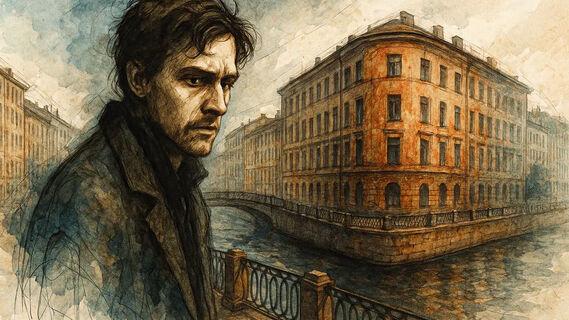
The white nights are real and dated: for a few weeks around the summer solstice, St Petersburg does not get properly dark, and the city stays out in it. The embankments the narrator walks are still walkable, the canals are where they were, and the flats he describes are in the same districts — the Dostoevsky museum sits in the building where the author lived at the end of his life.
It is worth saying plainly what a literary walk in that city is and is not. It is not a themed attraction. It is an ordinary working city where a specific set of streets happens to be the setting of books a lot of people have now read, in translation, because of a video.
What we are not claiming
- That a book trend says anything about politics. It does not. A novella from 1848 is not a position on 2026.
- That the numbers are precise. The sales figures above are as reported by the outlets named, for the periods they covered, and trend data of this kind is revised.
- That everyone who bought the book read it. Some did not. That is true of every bestseller in history.