

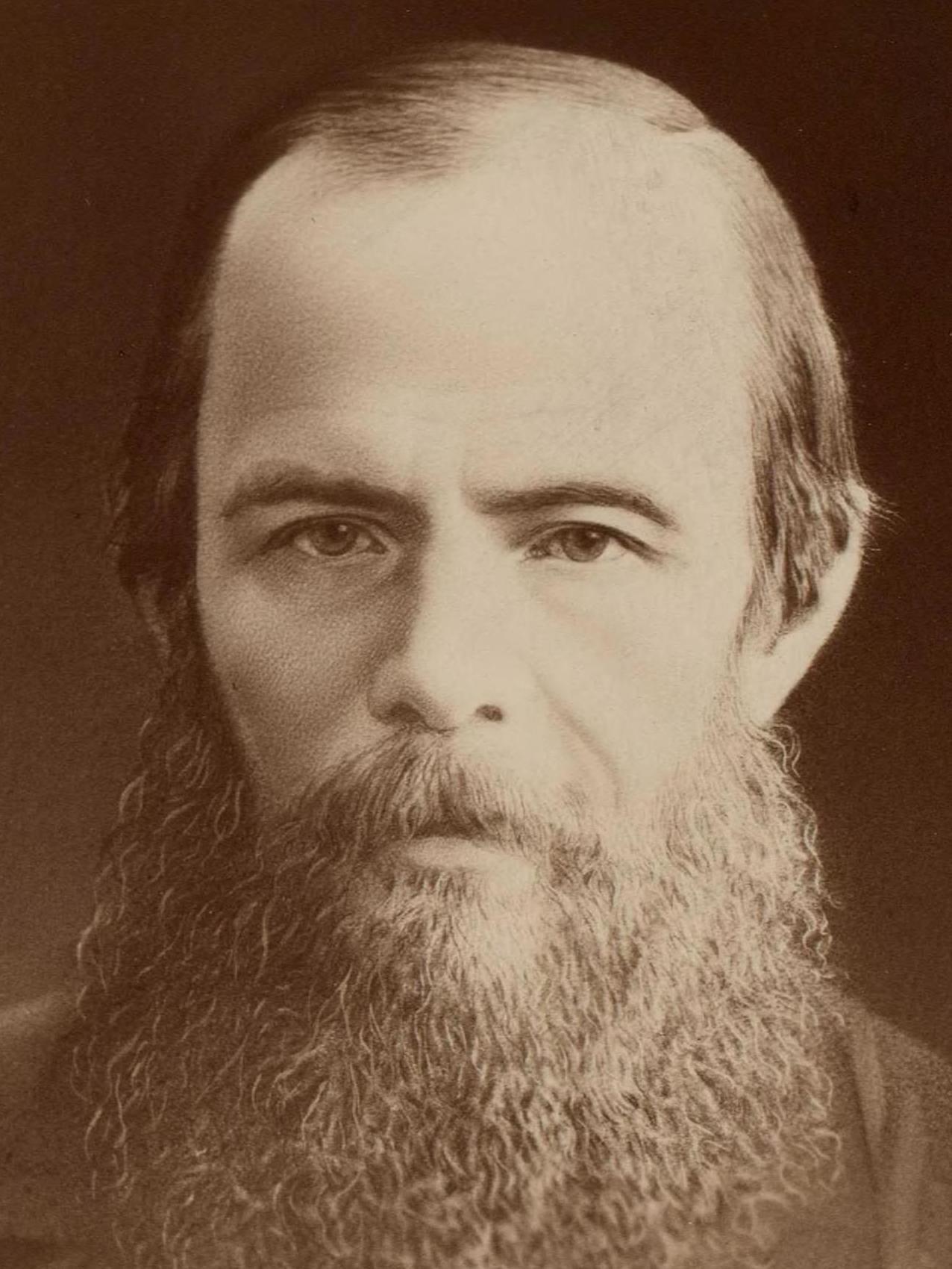
If you want to understand Russian literature, sooner or later you will run into Fyodor Dostoevsky.
You may also run into a problem: where do you start?
Crime and Punishment is famous. The Brothers Karamazov is enormous. The Idiot has a title that doesn't exactly sell itself.
And then there are all the other books, dozens of characters with three different names each, philosophical arguments that last for twenty pages, and people apparently spending an unusual amount of time suffering in cold apartments.
So here is the shortcut.
You don't need to read everything Dostoevsky wrote. Start with one of three books:
- Crime and Punishment — if you want a gripping story.
- The Idiot — if you are interested in people, relationships and whether a genuinely good person can survive in society.
- The Brothers Karamazov — if you want the full Dostoevsky experience: God, morality, family, freedom, guilt and murder.
They are very different books. Together, they explain most of what makes Dostoevsky important.
First: who was Dostoevsky?
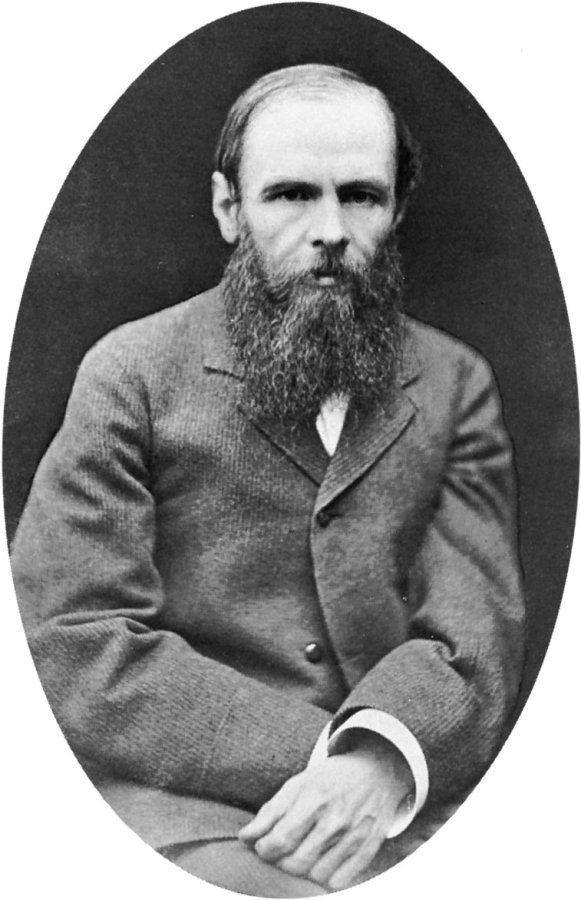
Fyodor Dostoevsky (1821–1881) was a Russian novelist whose books are unusually interested in one thing:
What happens inside a human being when their ideas collide with reality.
His characters don't simply have opinions. They try to live according to them.
And then things go wrong.
A person may decide that morality is an illusion — and then discover that they cannot live with what they have done. Someone may believe that complete freedom means doing whatever you want — until freedom becomes unbearable. Someone may want to be completely rational — and then deliberately do something irrational just to prove that they are still free.
This is one reason Dostoevsky still feels surprisingly modern.
His characters ask:
- If nobody is watching, why should I be good?
- Can you be free without destroying yourself?
- Can a person change?
- Is suffering meaningful?
- What do we owe other people?
- Can you love someone and still hurt them?
Dostoevsky doesn't give easy answers. Quite often, he makes several characters argue with each other for hundreds of pages and leaves you to decide who is right.
The Dostoevsky starter map
| If you want… | Start with… | What you'll get |
|---|---|---|
| A psychological thriller | Crime and Punishment | Murder, guilt, obsession and redemption |
| Relationships and character drama | The Idiot | Love, jealousy, money, innocence and society |
| The biggest philosophical questions | The Brothers Karamazov | God, freedom, morality, family and murder |
| The shortest introduction | Notes from Underground | A concentrated dose of Dostoevsky's worldview |
One important clarification: Notes from Underground isn't one of the three novels above, but it is worth knowing about. It's a short work and, in some ways, the most concentrated introduction to Dostoevsky's ideas.
If you have 15 minutes, read on. If you have a lifetime, eventually read the books.
1. Crime and Punishment
Start here if you want a story first and philosophy second.
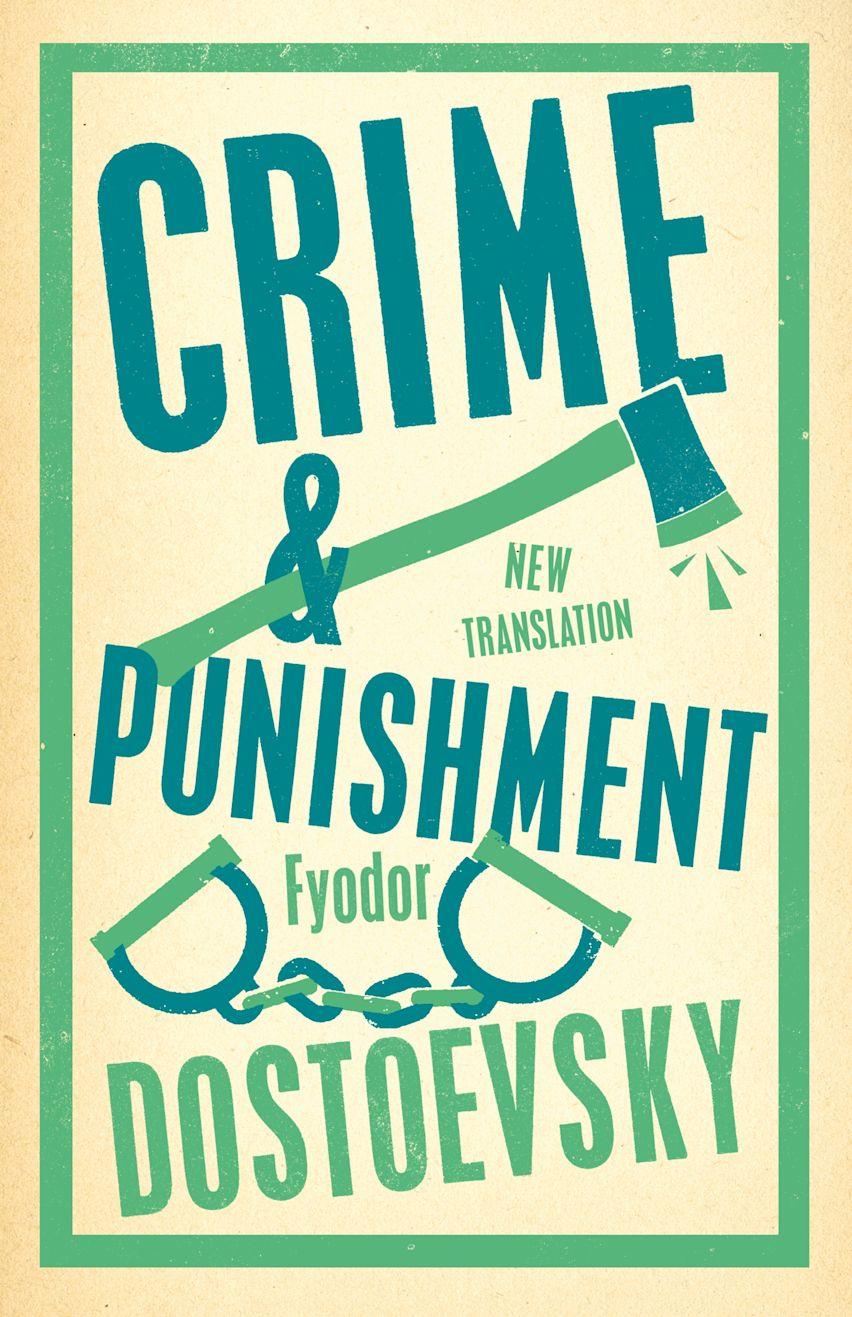

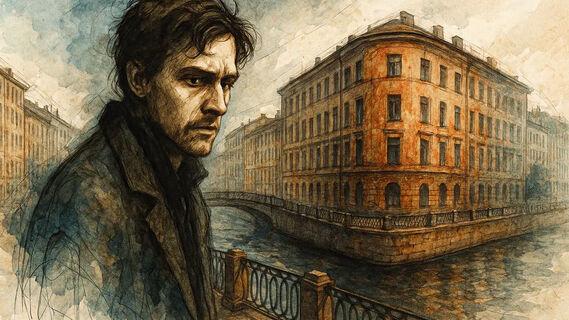
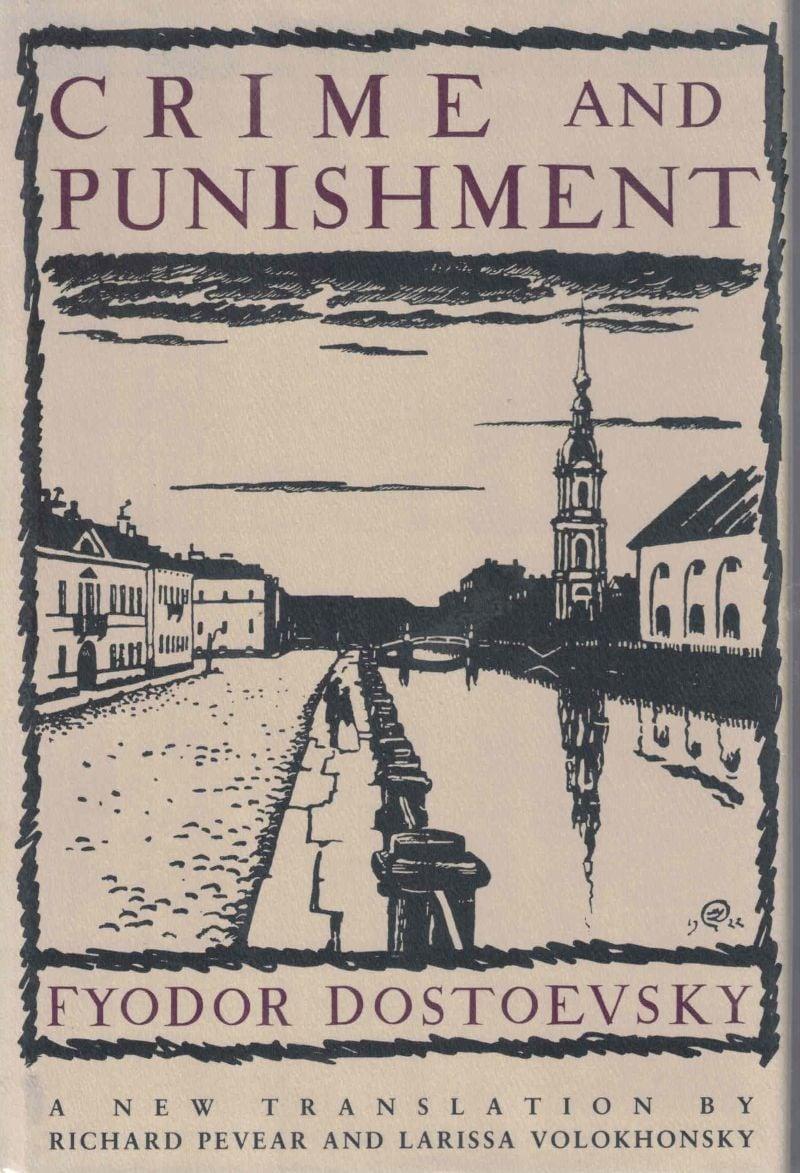
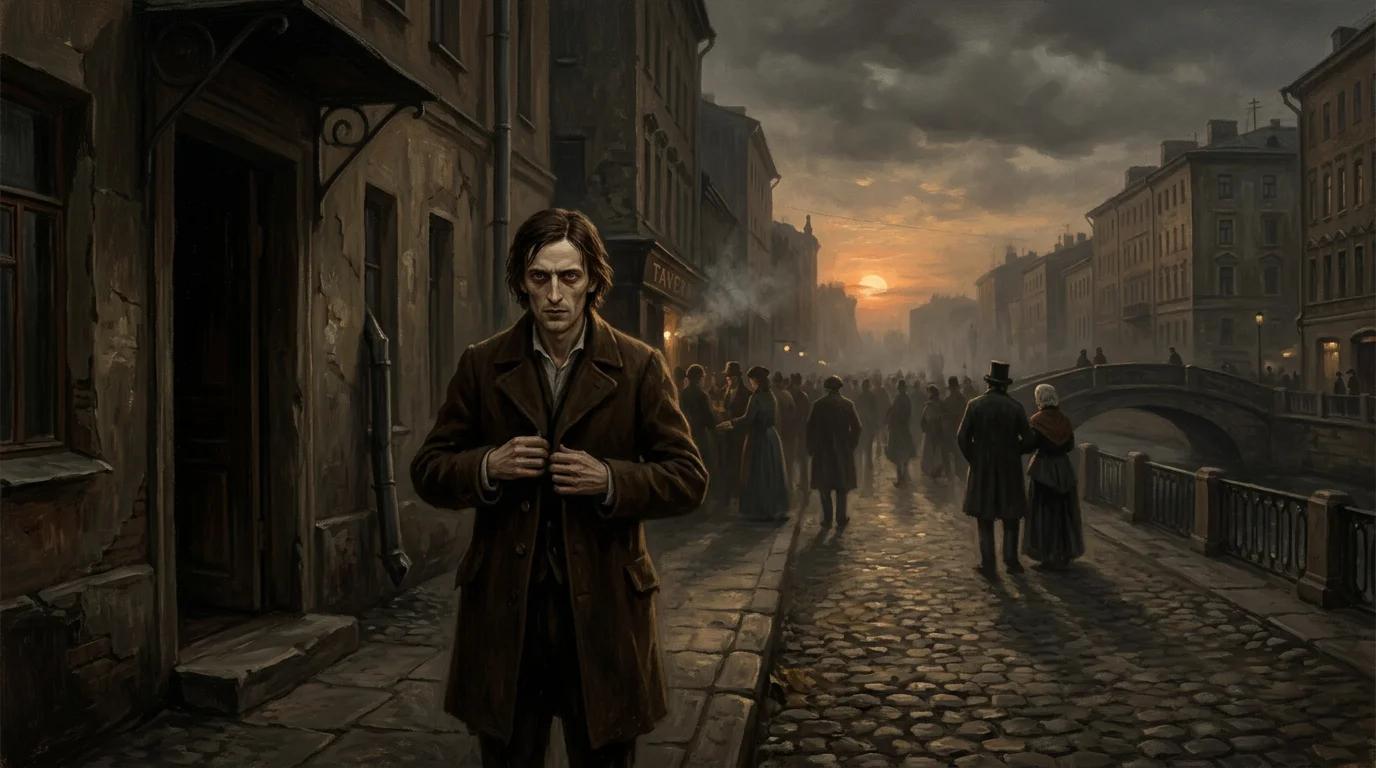
A poor former student in St Petersburg, Rodion Raskolnikov, decides that some extraordinary people have the right to break ordinary moral rules. Napoleon, in his reasoning, did terrible things — but history remembers him as a great man.
So what if an ordinary person could cross the line for a supposedly higher purpose?
Raskolnikov decides to test the theory. He commits a murder.
The rest of the novel is about what happens afterwards. And that's the important part.
This isn't really a detective novel about who committed the crime. You know almost immediately. It's a novel about what a crime does to the person who committed it.
Raskolnikov becomes increasingly isolated, paranoid and contradictory. He wants to prove that he is intellectually superior to ordinary morality while simultaneously being unable to escape his conscience. Around him, Dostoevsky creates a whole ecosystem of poverty, pride, desperation, love and self-sacrifice.
What makes it interesting
The central question isn't: “Is murder wrong?” That's too easy.
It's closer to: “Can a person invent their own morality — and then actually live with it?”
Raskolnikov's intellectual theory sounds abstract. His psychological reaction is anything but. That's Dostoevsky's characteristic move: take an idea seriously enough to let a human being suffer through it.
You like psychological thrillers, criminal psychology and 19th-century St Petersburg — and don't want to begin with an 800-page novel.
Don't expect…
A neat philosophical treatise. Dostoevsky is not writing an essay. His arguments are happening through people who are emotional, irrational, dishonest and occasionally drunk. Which is rather the point.
2. The Idiot
Start here if you're more interested in people than ideas.
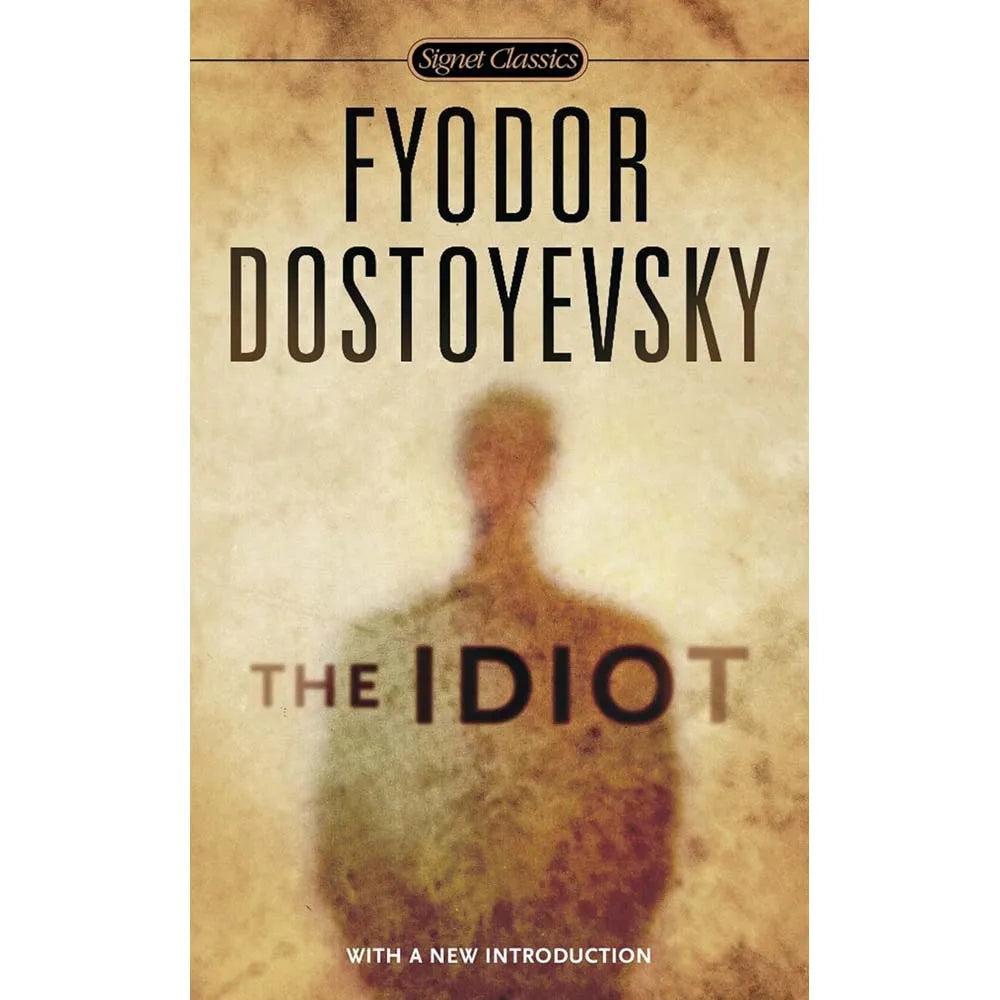
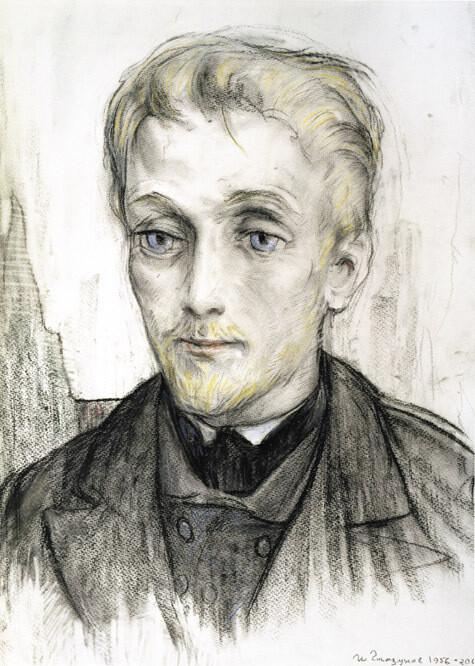
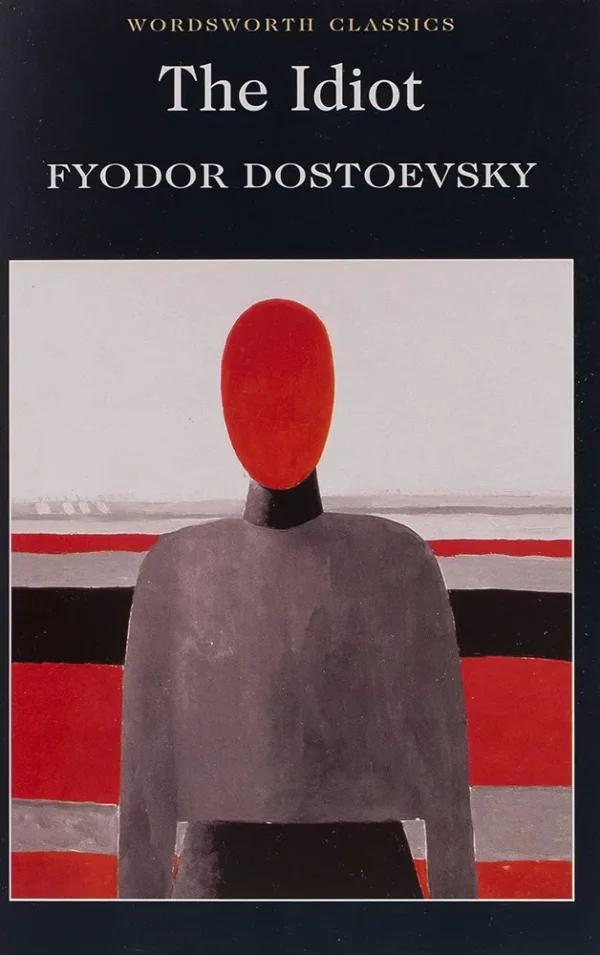
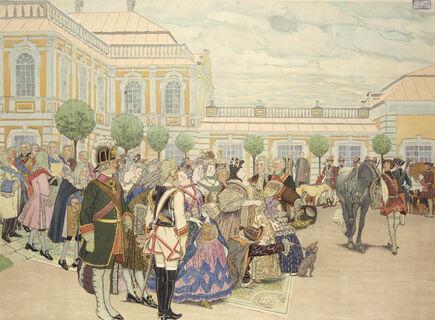
Prince Lev Myshkin returns to Russia after several years abroad. He is poor, inexperienced and unusually open-hearted. He doesn't behave according to the normal rules of Russian high society. He doesn't play games. He doesn't manipulate people. He doesn't seem particularly interested in status.
And this creates a problem. People don't know what to do with someone who isn't playing the same game.
The novel revolves around Myshkin and two very different women, Nastasya Filippovna and Aglaya, as well as money, jealousy, obsession and social status.
The title is deliberately provocative. In Russian, idiot can mean more than simply “stupid”. It can also suggest someone naïve, socially inept or incapable of navigating ordinary conventions. Myshkin isn't unintelligent. His problem is almost the opposite: he refuses to behave according to the assumptions everyone else takes for granted.
The experiment at the centre of the novel
Dostoevsky was interested in a strange question: What would happen if a genuinely compassionate person were dropped into a society dominated by pride, desire, money and competition?
Would goodness change other people? Or would other people destroy the good person?
The novel doesn't provide a comfortable answer.
You like character-driven novels, relationships and psychology, or want to understand Dostoevsky's ideas about compassion and innocence.
One warning
The Idiot can feel slower and messier than Crime and Punishment. That isn't necessarily a flaw. Dostoevsky often lets conversations spiral out of control because the psychological chaos is part of the subject. Still, if you're completely new to him, Crime and Punishment is usually the easier entry point.
3. The Brothers Karamazov
Start here if you want Dostoevsky at maximum volume.
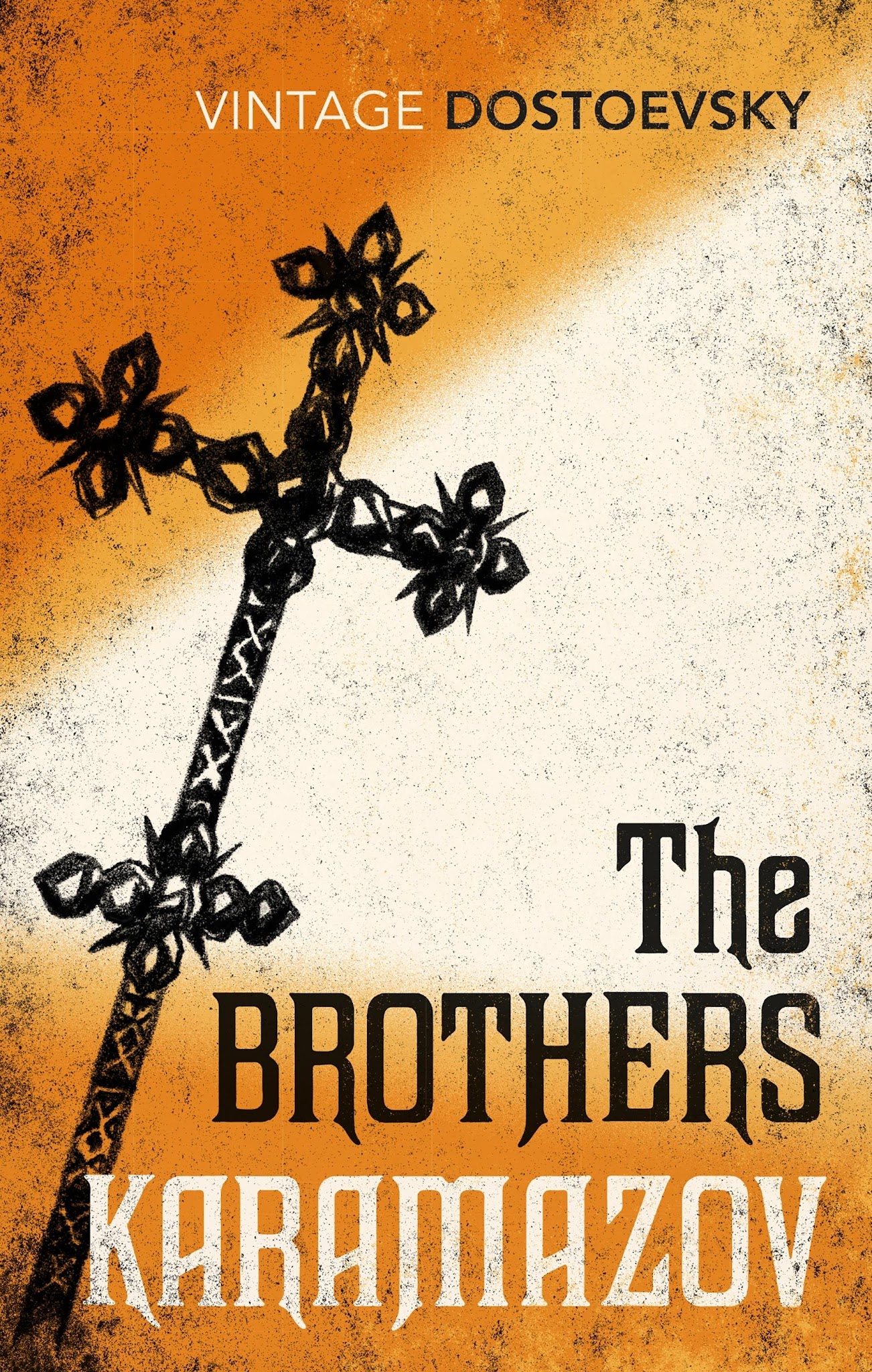
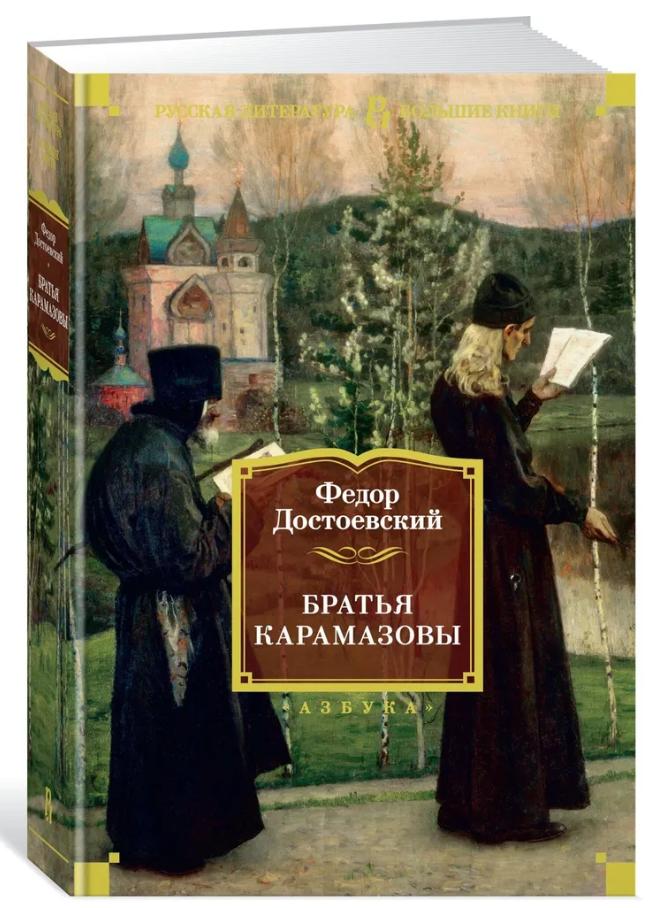
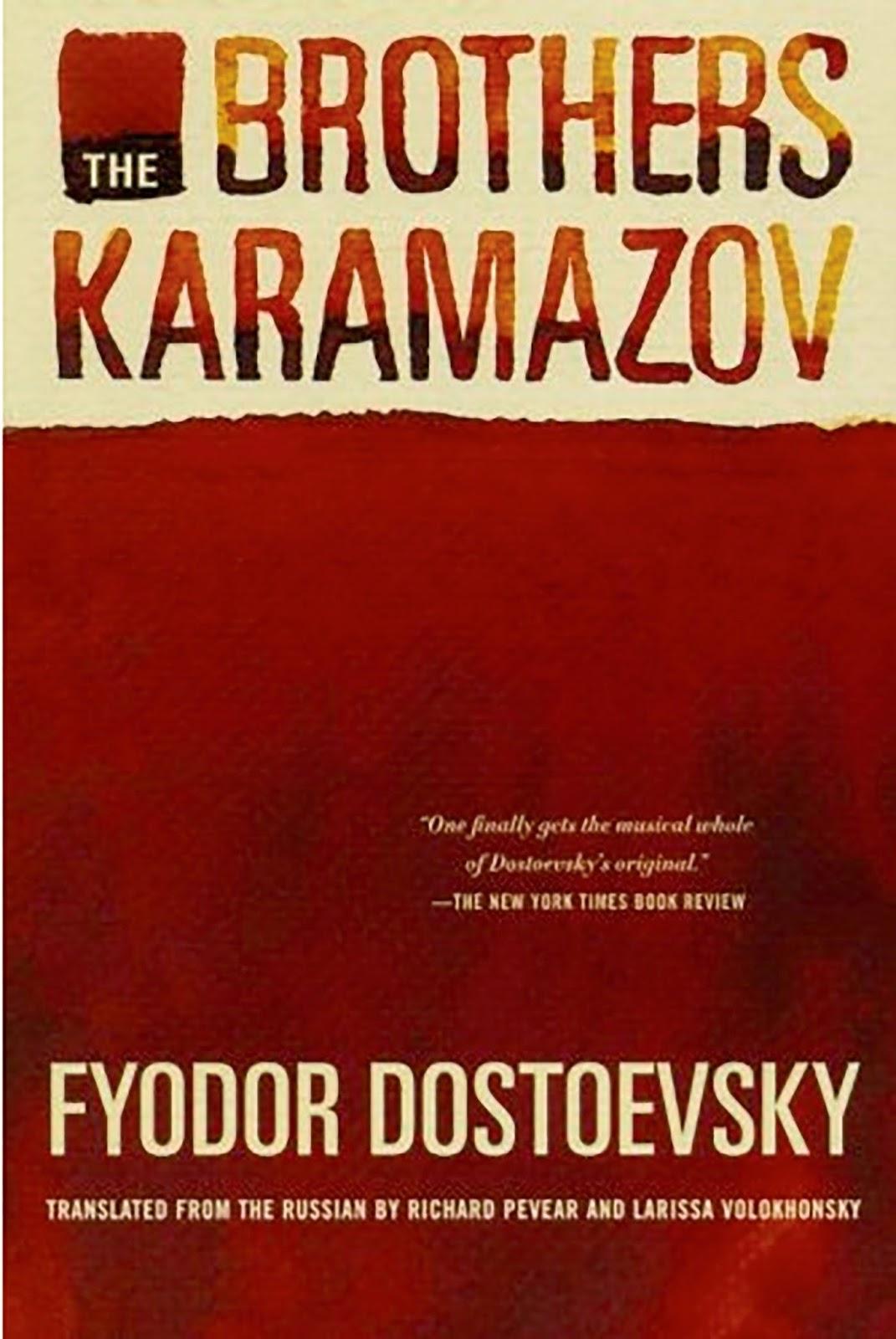
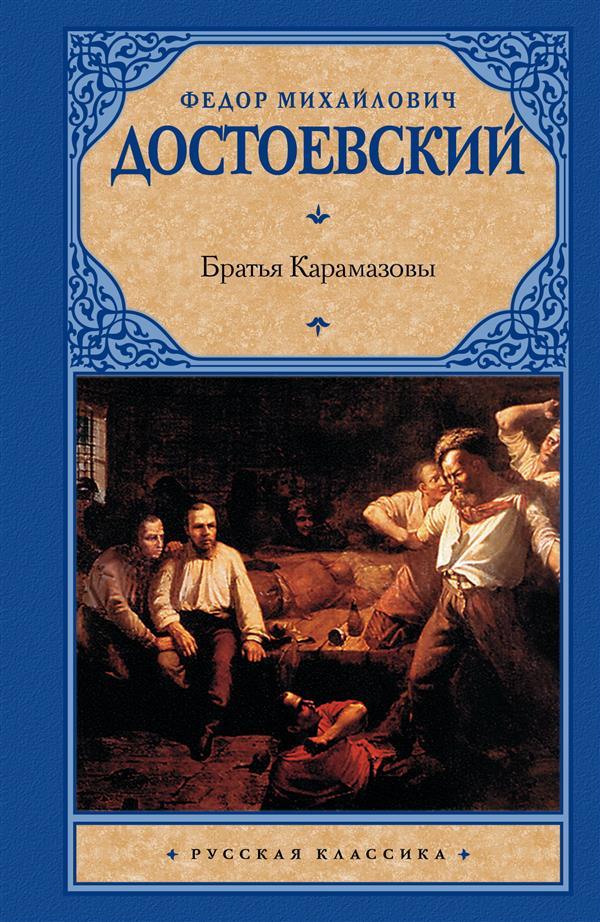
Three brothers. One father. Money. Sex. Religion. Resentment. A murder.
And approximately every philosophical question Dostoevsky could fit into a novel.
The Karamazov brothers are radically different. Dmitri is passionate and impulsive. Ivan is intellectual and sceptical. Alyosha is religious, compassionate and searching for goodness. Their father, Fyodor Pavlovich, is a wealthy, vulgar and deeply unpleasant man. Naturally, things go badly.
The murder of the father becomes the central event around which the novel's philosophical and psychological questions revolve. But the murder is almost an excuse for Dostoevsky to ask much larger questions.
The most famous question: what happens without God?
Ivan Karamazov is one of Dostoevsky's great intellectual characters. His arguments about God and morality eventually lead to one of the novel's most famous ideas: If there is no God, does that mean everything is permitted?
This phrase is often quoted as though Dostoevsky simply believed it. He didn't. The novel is much more interesting than that.
Different characters embody different answers: Ivan's intellectual scepticism. Alyosha's faith. Dmitri's chaotic passion. And the novel keeps putting their ideas under pressure.
One of the most famous sections, “The Grand Inquisitor,” is essentially a philosophical story within the novel about freedom, faith and whether human beings actually want the burden of being free. You don't need to agree with Dostoevsky — or even be religious — to find the argument interesting.
So which one should you read first?
There is no universal correct order. Choose based on what you want.
“Give me a good story.”
→ Crime and Punishment
“I care more about relationships and psychology.”
→ The Idiot
“Give me the big philosophical stuff.”
→ The Brothers Karamazov
“I only have a few hours.”
→ Notes from Underground
Notes from Underground is short, strange and considerably less friendly than the other books. But it gives you a concentrated dose of Dostoevsky's interest in irrationality, freedom, resentment and self-sabotage.
A useful way to read Dostoevsky
Don't approach him like a Russian literature exam.
You don't need to understand every philosophical argument. And you definitely don't need to remember every character's full name.
In fact, there's a practical problem for first-time readers: Russian names.
A character may be introduced as Rodion Romanovich Raskolnikov and later become Raskolnikov, Rodion, Rodion Romanovich, or even Rodya.
These are all the same person.
Russian naming usually consists of first name + patronymic + surname. So Rodion Romanovich means roughly “Rodion, son of Roman.”
Then add nicknames and diminutives and suddenly your character list looks like a small family tree. Don't panic. Most good editions provide a character list. Use it.
And don't worry about understanding “Russia”
Dostoevsky is deeply Russian. But you don't need to know Russian history, Orthodox theology or 19th-century politics to understand the basic drama.
A poor student commits a murder because he believes he has rationally justified it.
A good man enters a society where goodness is treated with suspicion.
Three brothers struggle with a disastrous father and radically different ideas about life.
These situations are not particularly Russian. The way Dostoevsky explores them is.
Why Dostoevsky still matters
Dostoevsky lived in a world of horse-drawn carriages, handwritten letters and gas lamps.
His characters, however, have problems that feel uncomfortably familiar.
They overthink. They rationalise their behaviour. They become obsessed with other people. They want freedom but also want someone else to tell them what to do. They construct elaborate theories about life and then behave irrationally five minutes later. They desperately want to be understood while making themselves almost impossible to understand.
Dostoevsky was interested in the human operating system long before anyone had computers.
And perhaps that's why you don't need to be Russian to read him. You just need to have been a person.
If you want the shortest possible answer
Read Crime and Punishment first.
If you like it, choose your direction:
- Psychology → The Idiot
- Philosophy → The Brothers Karamazov
- Short and intense → Notes from Underground
And don't start with War and Peace just because someone told you that you should.
That's Tolstoy. Wrong Russian.
What to read next
- Crime and Punishment — the accessible starting point
- The Idiot — goodness, love and society
- The Brothers Karamazov — Dostoevsky's philosophical universe
- Notes from Underground — the compact, angry prelude to much of the above
If you read only one, you'll get a Dostoevsky.
If you read all three, you'll start to see why Dostoevsky became Dostoevsky.