
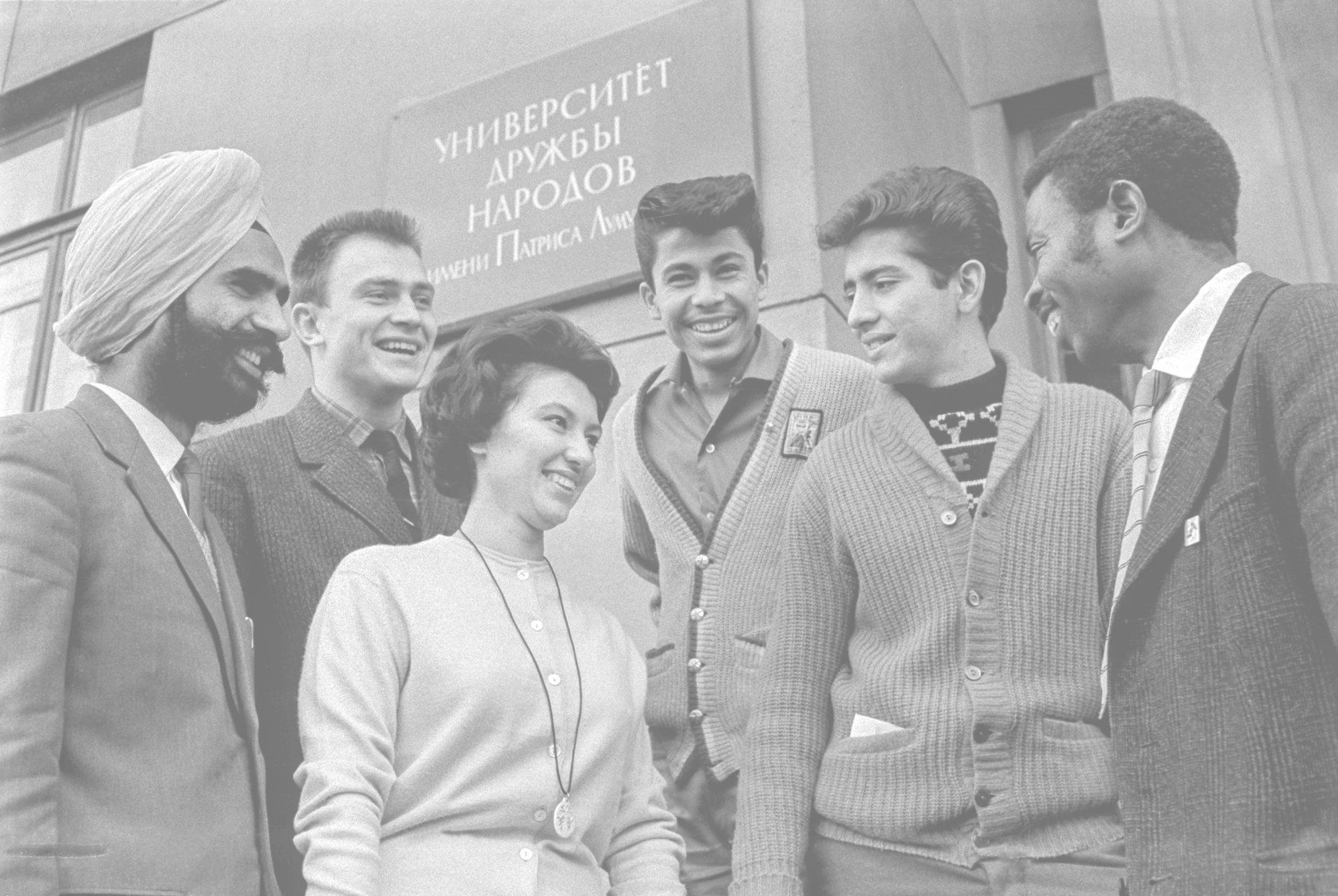
Foreign students can study in Russia either on a paid contract or on a state-funded quota place awarded through the official government portal. Some master's and postgraduate programmes are taught entirely in English, most bachelor's programmes are in Russian and are preceded by a one-year preparatory language year. Since 2020, foreign students enrolled full-time at accredited institutions may work legally without a separate work permit or patent.
Key facts · Checked September 2026 against official university and government portals
- State scholarship route: Government quota places, applied for on the official education-in-russia portal
- Competition route: The Open Doors olympiad, for master's and postgraduate admission
- Language: English-taught master's programmes exist; bachelor's usually means a preparatory year in Russian first
- Work rights: Full-time students at accredited universities may work without a patent (since 2020)
This is the practical companion to our piece on why students from the Global South are choosing Russia. That one is about what daily life feels like. This one is about degrees, laboratories, money and the law — and about the parts that are genuinely harder than the brochures say.
Where people actually study, and in which language
Foreign enrolment concentrates in a few clusters. For computer science, applied mathematics and data work, the recognisable names are HSE University, MIPT and ITMO in St Petersburg. For fundamental science it is Moscow State University, St Petersburg State University and Novosibirsk State University. For medicine and engineering, Sechenov University, Bauman Moscow State Technical University and RUDN, which has taught international students since the Soviet period and still has the largest foreign community of any Russian campus.
The language question decides more than the ranking does. A number of master's and postgraduate programmes are delivered fully in English. Bachelor's programmes are mostly in Russian, and the standard path into them is the preparatory faculty — one year of intensive Russian plus subject vocabulary before the degree starts. Be honest with yourself about this: you can graduate with English alone, but internships, lab conversations, paperwork and a career afterwards all happen in Russian.
An English-taught degree is possible. An English-only life around it is not.
Research: Skoltech and Akademgorodok
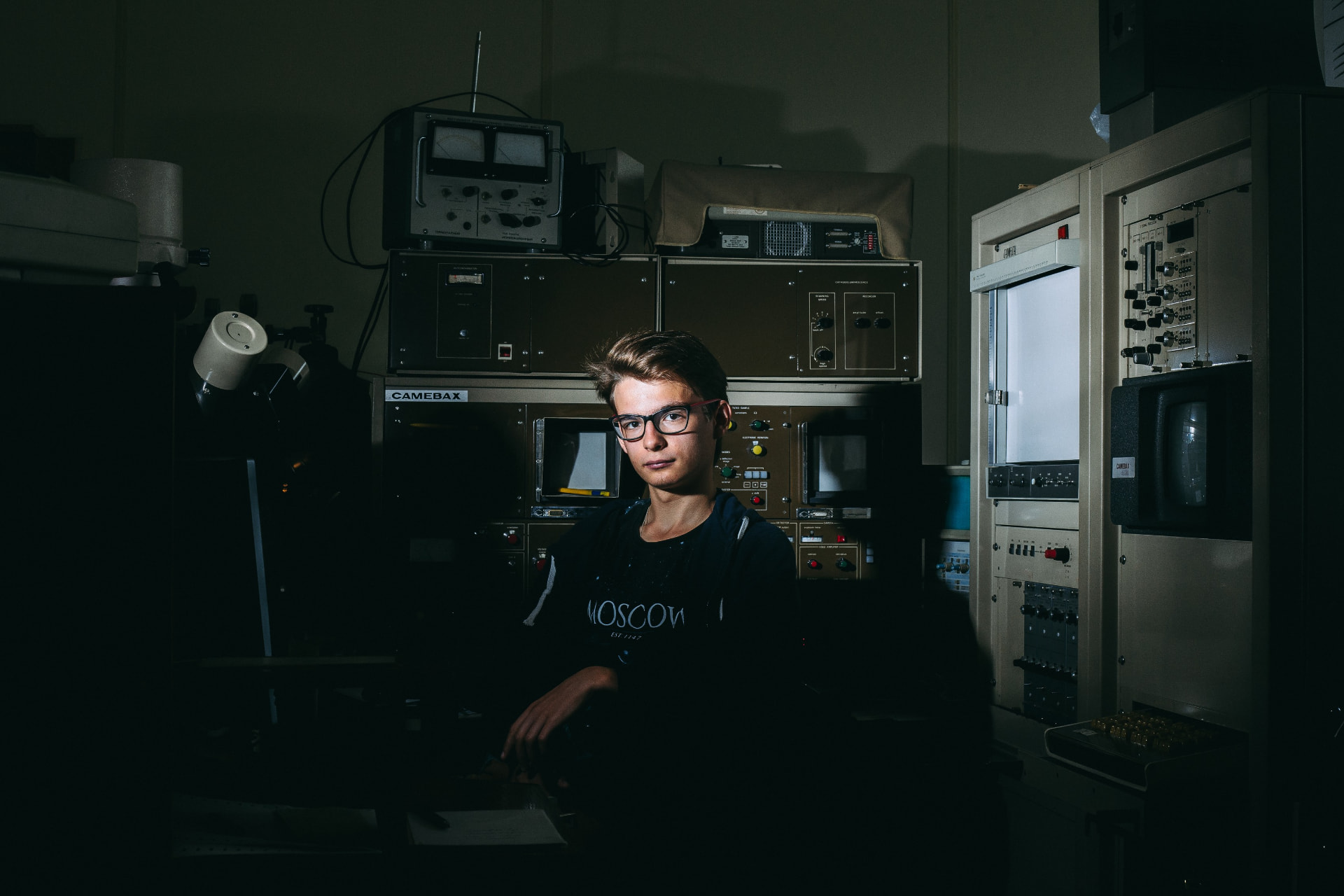
Skoltech, in the Skolkovo innovation centre outside Moscow, was founded in 2011 as a graduate-only research university and works in English by default, which makes it the least friction-heavy research entry point in the country. Its centres cover artificial intelligence, photonics, energy, materials and life sciences, and it sits inside a campus built around startups rather than lecture halls.
Akademgorodok, the science town inside Novosibirsk, is the opposite character: a forested district built in the late 1950s around Novosibirsk State University and the Siberian Branch of the Russian Academy of Sciences, where dozens of institutes sit within walking distance of each other. It is strong in physics, mathematics, catalysis, genetics and bioinformatics. The large project under construction nearby is SKIF, a synchrotron radiation source in Koltsovo.
The honest part about a research career: internal funding for domestic R&D programmes is real, but international collaboration has shifted heavily towards partners in Asia, the Middle East, Africa and Latin America, and access to European and American grant schemes, joint calls and some conference travel is restricted. If your plan depends on a western co-supervisor or an EU-funded exchange, verify that it still exists before you commit to a topic.
Money: quotas, the Open Doors olympiad, and paid places
There are three distinct routes, and people constantly confuse them.
Government quota places are state-funded: tuition is covered, a dormitory place is provided, and a monthly state stipend is paid — modest, not enough to live on by itself. You apply through the official government portal for education in Russia, and selection runs partly through Russian diplomatic missions and Russian Houses in your country.
The Open Doors olympiad is an online competition for master's and postgraduate admission. Winners can be admitted to a tuition-free place without the usual entrance examinations. It is the cleanest merit route if your degree is already finished.
Paid contract places are what most people end up on, and tuition is the main reason Russia appears on shortlists at all — it is a fraction of British, American or Australian fees. Fees differ enormously by university and by programme, especially in medicine, so take the number from the university's own admissions page for the current intake rather than from an agent.
One warning about agents: intermediaries who promise guaranteed admission for a fee are common in this market. Every route above can be started directly with the university or the official portal.
Working while you study, and afterwards
Until 2020, foreign students needed a work permit and were effectively pushed into informal jobs. The law changed: students enrolled full-time at accredited Russian institutions may now work legally without a patent or separate permit. That single change is what makes part-time work, internships and a first job realistic.
Where foreign graduates actually find work: IT and fintech, where the domestic market is large and hiring is skills-first; language teaching, which is the most common first paid work for anyone with a strong European or Asian language; and trade, logistics and export-import companies working with China, India, the Middle East, Latin America and Africa — where being a native speaker of Portuguese, French, Arabic, Hindi or Mandarin plus functional Russian is a genuinely scarce combination.
On staying: there is a residence route designed for graduates of Russian universities, and the rules and required documents change often enough that the only safe source is the current Interior Ministry guidance and your university's international office. Ask both, in the same week, before you plan around it.
What is genuinely difficult
Four things come up in almost every conversation I have with foreign students here. Bureaucracy is slow and paper-based, and it does not wait for you — registration and visa extensions are your responsibility, through the university, on a deadline. Dormitory quality varies wildly between and within universities. Internships abroad are limited by sanctions and by visa friction, so plan for a domestic placement. And recognition of a Russian diploma back home is not automatic: check the accreditation requirements of your own country's professional body — especially in medicine — before your first year, not after your last.
What we are not claiming
This page does not quote tuition fees, stipend amounts or visa costs, because those change every intake and we only publish figures we can date and source. It is not immigration advice, and nothing here replaces the official government portal, the university's own admissions office or the current Interior Ministry rules. We also do not claim any university here is better than its equivalent elsewhere — only that these are the places where foreign students actually end up, and what the conditions are when they do.