
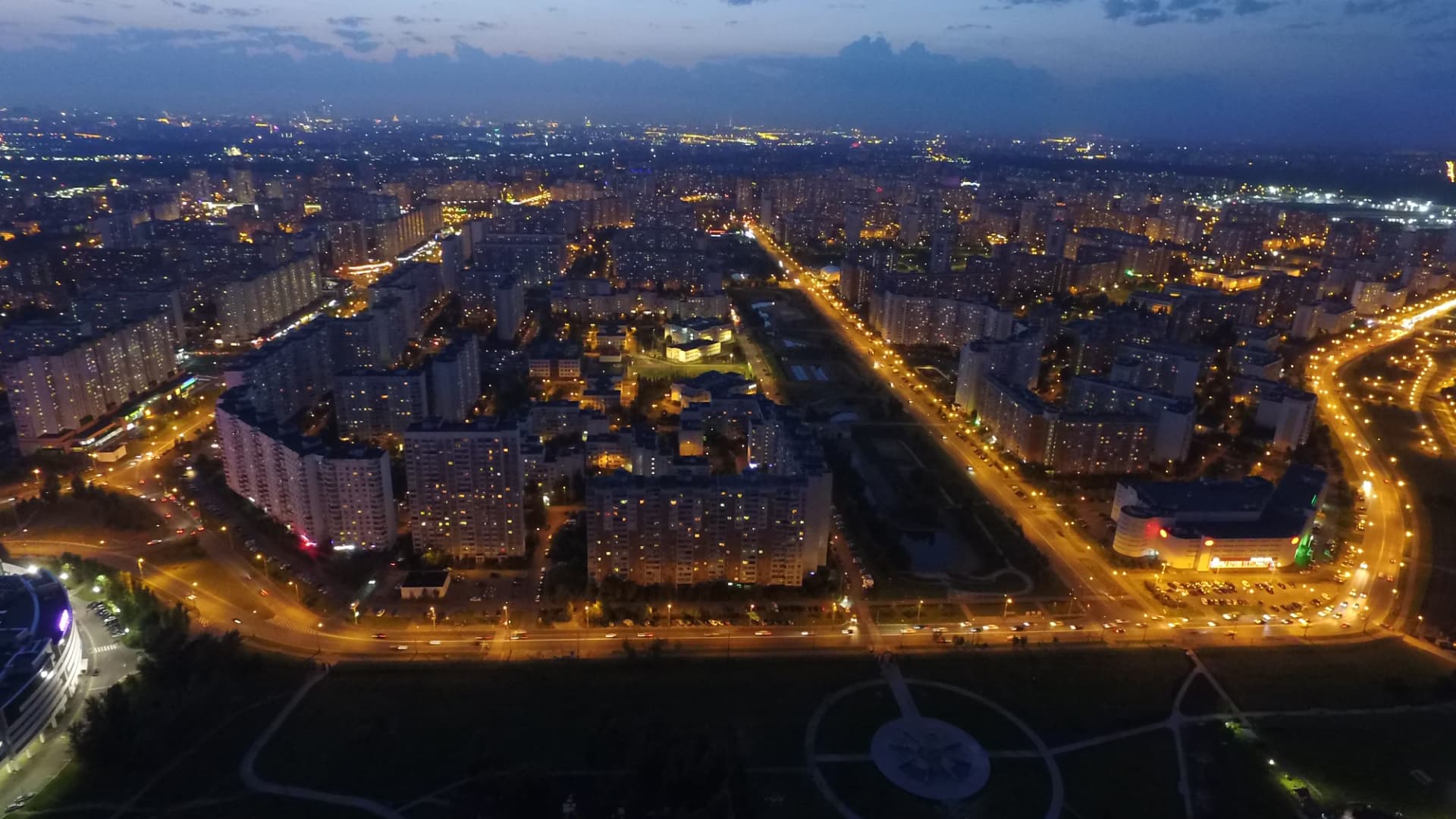
The clip is always roughly the same. A grey block of flats, a low winter sky, a bus stop. Someone has laid a Russian-language post-punk track over it, added a caption in Spanish or Portuguese, and it has half a million views. The comments are full of people from countries with no snow saying it feels like home.
I grew up next to those blocks, so the first time I saw this I found it funny. Then I started reading the comments properly, and the thing they are reaching for is not Russia at all. It is a mood that Western pop culture stopped producing.
1. What the aesthetic actually is
Three elements, always together: mass-produced housing photographed without flattery, cold light — dusk, fog, snow, a single yellow window — and a soundtrack of drum machines, low male vocals and cheap synths. Online it is called the doomer aesthetic. In practice it is closer to what Russians call toska: a heavy, almost comfortable melancholy that is not the same thing as depression.
That distinction matters. Western media usually reads these images as evidence of misery. The people sharing them are not sharing misery. They are sharing calm.
It is not sadness as a symptom. It is sadness as a place you are allowed to sit down in.
2. Why the buildings look identical
The blocks in these photos are prefabricated housing: the low five-storey khrushchyovka of the late 1950s and 60s, and the taller panel series that followed. They were an answer to an enormous post-war housing shortage, and they were built from a small number of standard designs — which is why an identical flat in an identical building in a different city is a joke every Russian instantly understands.
Foreigners see them as dystopian. For millions of people who grew up in them they are simply home: a courtyard with a playground, a bench with grandmothers on it, a shop on the ground floor and every neighbour's window visible from the kitchen. The repetition that looks oppressive in a photograph is, from inside, the reason the place feels familiar.
3. The night kitchen
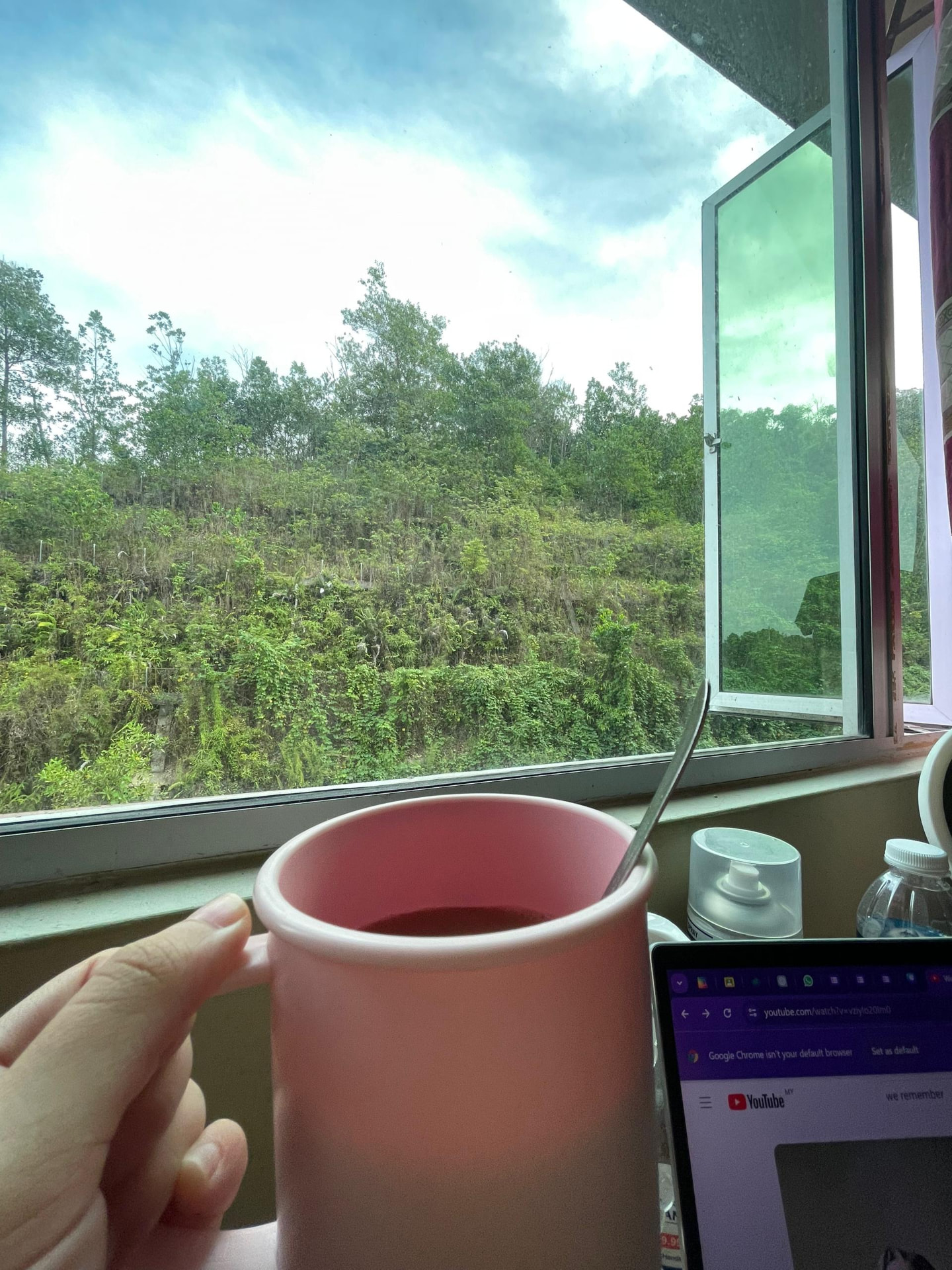
If the aesthetic has a room, it is the kitchen after midnight. In a small flat the kitchen is where conversation happens: tea, a cigarette by the open window, an argument about nothing that runs until four in the morning. Soviet-era kitchen talk was famously the only genuinely private room in the country, and the habit outlived the reason for it.
That is the specific thing the videos capture and Western interiors rarely do — a place where nothing is being optimised and nobody is performing.
4. Where the sound comes from
The music that carries these images is mostly post-Soviet post-punk, with Belarusian band Molchat Doma as the global entry point and Kino's Viktor Tsoi as the older canon behind it. We wrote a full field guide to that scene, including which five tracks to start with and which cities each band actually comes from.
One correction worth making, because it appears in almost every article on this trend: not all of it is Russian. Molchat Doma are from Minsk, Belarus. The scene is post-Soviet, and lumping it together as "Russian" is exactly the kind of flattening this site exists to avoid.
What we are not claiming
We are not claiming that a global aesthetic trend says anything about politics, and we are not romanticising poverty: plenty of these districts have real problems with maintenance, transport and distance from the centre. We are also not claiming every Russian likes the trend — most people who actually live in a panel block find the fascination baffling.