
The short answer
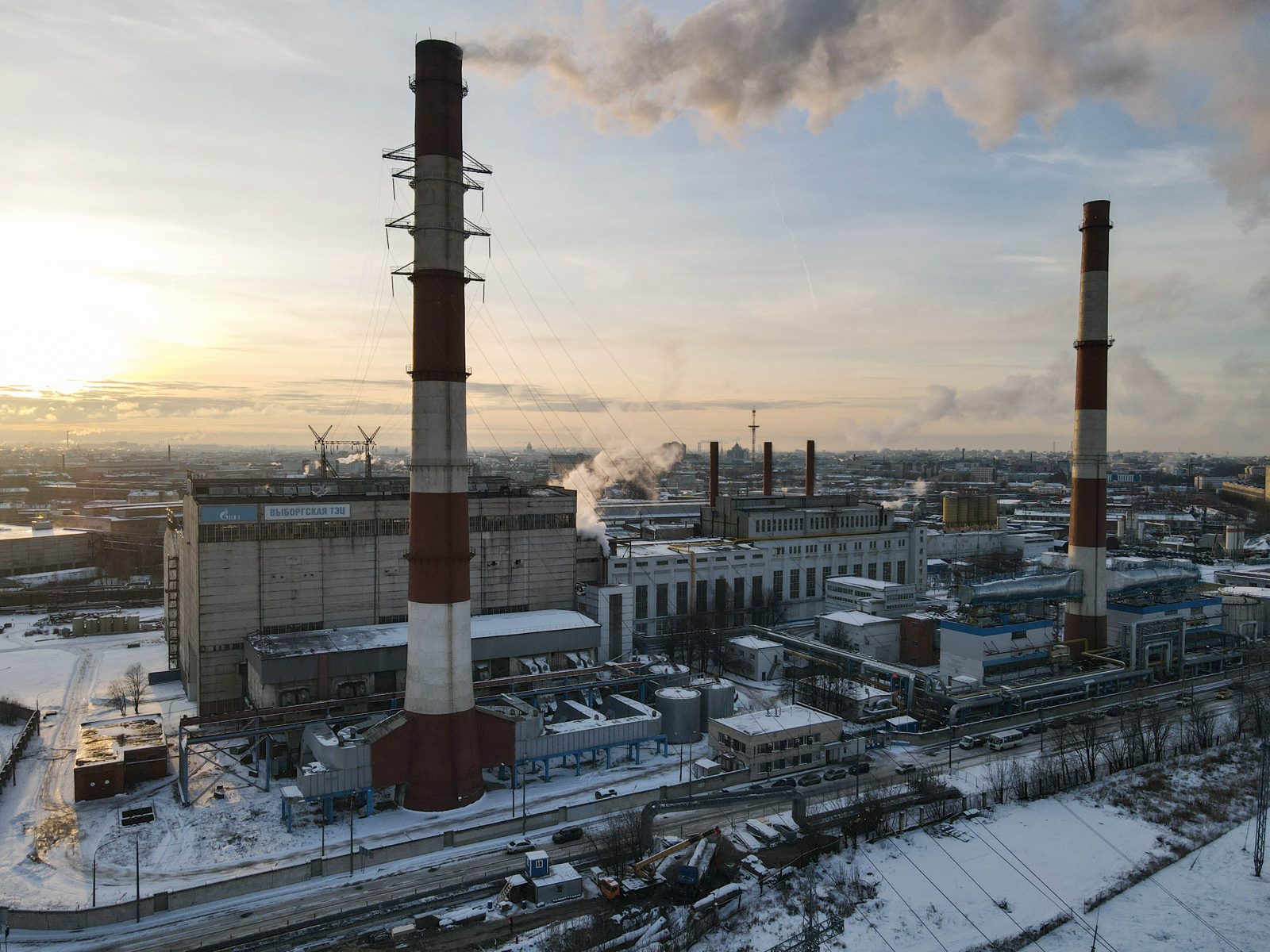
Most Russian apartment blocks are heated by a city-wide central system. The radiators come on for the whole season and you usually cannot turn them down much. The legal minimum is +18°C in a living room (+20°C in a corner room), and up to 4°C above that is allowed. So many flats sit at 22–24°C, and people let in fresh air through the fortochka, a small hinged pane in the window.
What the rules say
Government Resolution No. 354 on utility services sets the temperature: at least +18°C in living rooms, +20°C in corner rooms. In regions where the coldest five days average −31°C or lower, the minimums are +20°C and +22°C. Exceeding the norm by up to 4°C is permitted; at night it may drop by up to 3°C.
The same rules limit interruptions: no more than 24 hours in total per month, and no more than 16 hours at a time while the room stays between +12°C and the norm.
When the heating comes on
The heating season is not set by calendar date. Local authorities switch it on after several days in a row when the average daily temperature stays below +8°C. In practice that usually means late September or October in Moscow and earlier in Siberia.
The weeks before that are the cold gap everyone complains about: chilly flats, blankets and electric heaters, and then one day the radiators suddenly turn hot.
The fortochka culture
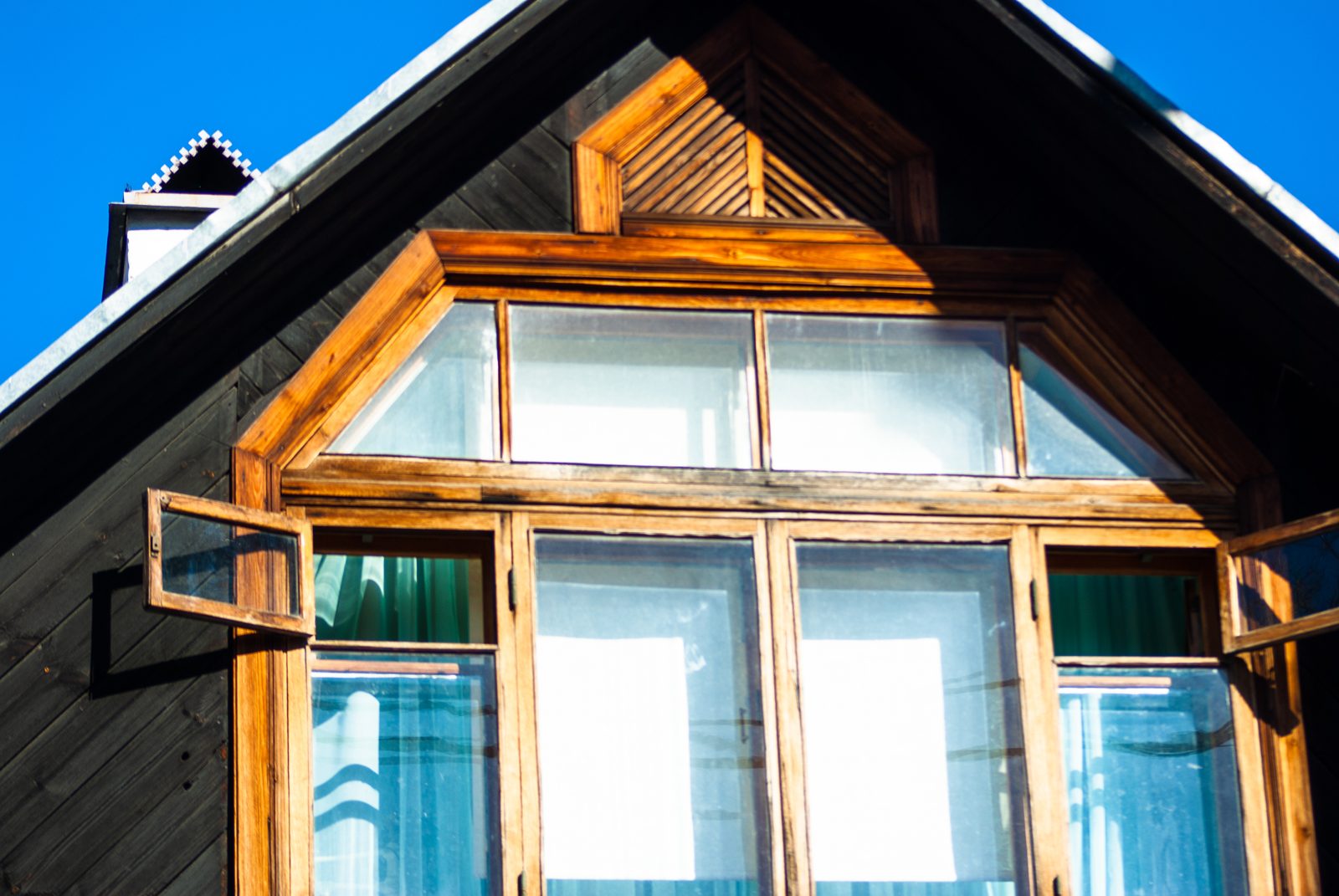
Because individual regulation is often limited in older buildings, the window does the job of a thermostat. Airing a room, even at −20°C, is an ordinary daily habit, not a sign that something is broken.
Indoor air also gets very dry. Humidifiers, a wet towel on the radiator and plants on the windowsill are the usual answers.
What it means for a newcomer
Dress in layers: a heavy coat outdoors, a T-shirt indoors. Shops, metro and offices are warm too, so expect to carry your jacket a lot.
If you come from a country without central heating, the first winter indoors can feel like summer. The bigger adjustment is usually the dark, not the cold.
What we can and cannot claim
- Confirmed: the indoor temperature norms and interruption limits in Resolution No. 354.
- Not claimed: a single national heating price. Bills depend on the region, the building and whether there is a meter.
- Not claimed: every flat is +25°C. Older buildings and corner flats can be cold.