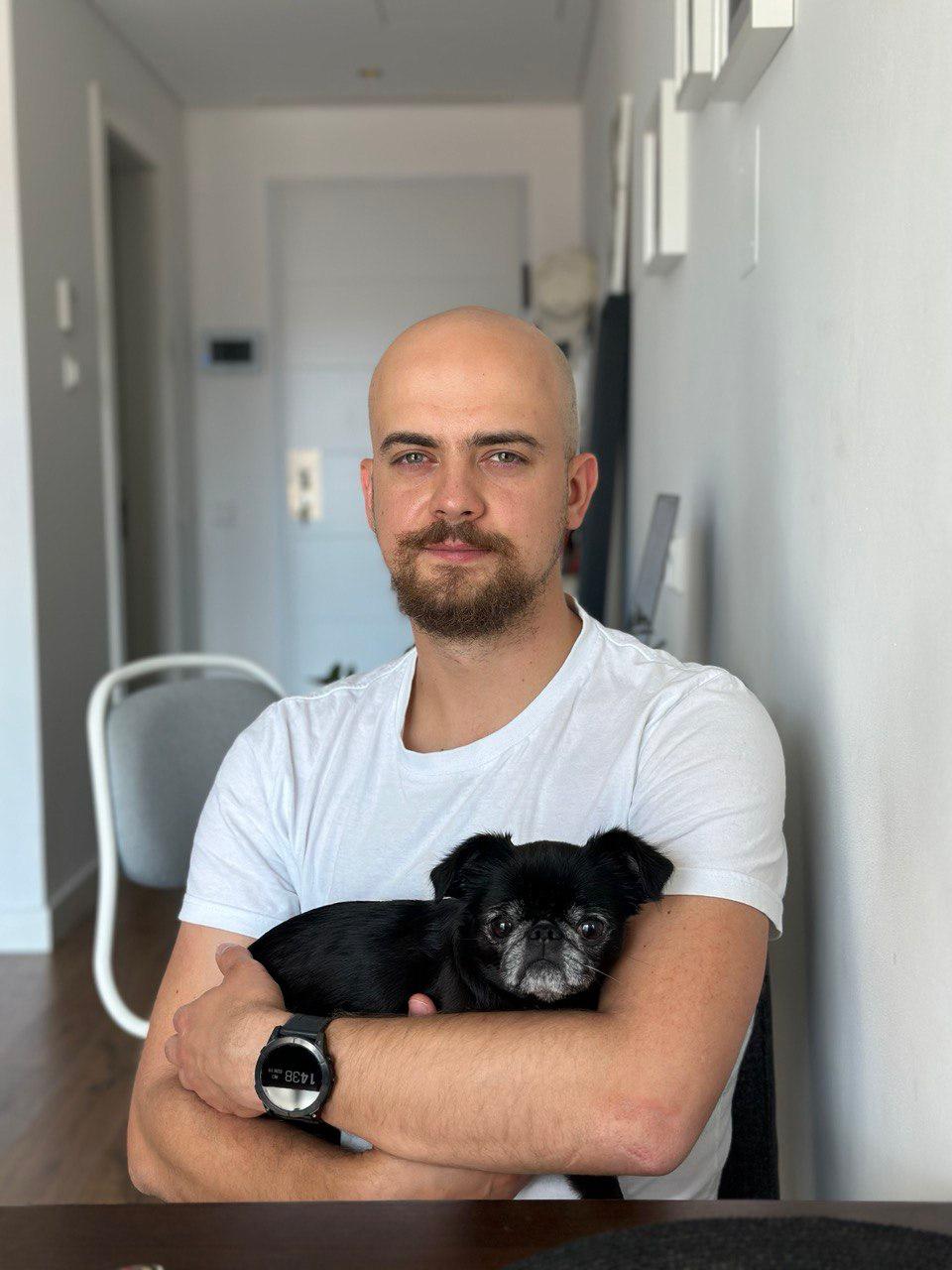
✊🏿 Being Black in Russia and "Russian by Values"
An honest inside look: personal experience, state policy, and why "Russianness" in the 2020s is less about ethnicity and more about values.
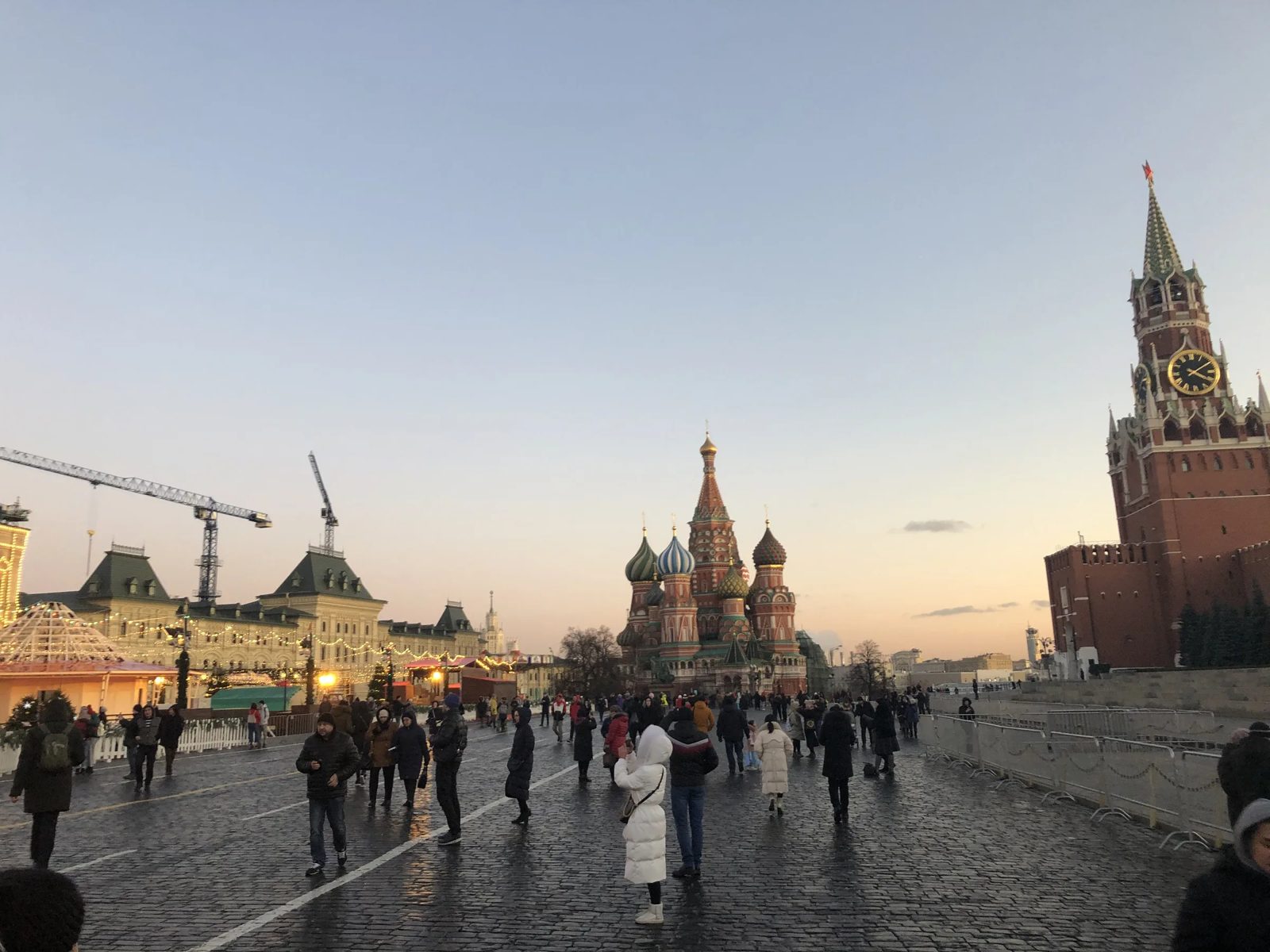
The world is used to talking about Russia through politics, sanctions, and geopolitics. But there is another topic that unexpectedly resonates with young people around the globe: what it means to be Black in Russia, and whether someone who looks nothing like the classic "white Slavic Russian" can truly become "Russian."
In this article, we explore what it is like to be Black in Russia, why people in Russia often talk less about race and more about values, and how the state is officially inviting foreigners who share its "traditional values" narrative.
Watch: Black Man on Racism in Russia
Why Listening to Black Voices About Russia Matters
Personal Experience vs. Loud Headlines
In the English‑speaking internet, it is easy to find content framed as "Russia is a nightmare for Black people" alongside completely opposite stories about "the friendliest experience of my life." Reality, as usual, is more complex. It lives not in media soundbites, but in the lives of students, professionals, and families who actually live there.
Black students and Afro‑Russians share very different stories: some encounter open racism and humiliation, others mostly deal with curiosity, and some describe a surprising sense of freedom from the constant "race talk" they grew up with in the US or Europe.
"In Russia I Feel Invisible — and That's a Good Thing"
One of the most interesting voices is a Black content creator known as TheAfroLev, who moved to Russia. In his video he compares the US, China, and Russia and delivers a message that disrupts the usual Western narrative.
In the US
Racism is formally condemned, but in everyday life he feels it constantly
In China
He often feels like an 'exhibit,' stared at and pointed at because of his appearance
In Russia
He feels like 'just another person' in the crowd — not singled out because of his skin color
In Russia, he "almost doesn't exist" — in a positive sense, as someone who is no longer reduced to the label "BLACK" and is simply allowed to live his life.
"Are Russians Racist?" When Stereotypes Don't Match Real Life
Another layer of content comes from videos where Black creators unpack stereotypes about Russians. In one video, blogger Wisdom shares what he had heard before meeting Russians and what he actually saw.
❌ What He Expected
These are the lines he says he had heard before his first trip. What he says he actually found is in the column beside it.
- • "Russians are aggressive and always ready to fight"
- • "Russians hate all foreigners, especially Americans"
- • "Everyone drinks vodka, never smiles, and lives in grey depression"
✅ What He Found
- • Russians and Ukrainians staying friends — not matching the media narrative
- • Sober, friendly people who care about animals
- • People willing to help a complete stranger
BLACK GUYS STEREOTYPES ABOUT RUSSIANS WILL SHOCK YOU
What Russians Themselves Say
"Being black in Russia is exactly as being white. The only difference between blacks and whites is the skin color as far as I know."
— r/AskARussian
But important caveats follow immediately:
Culture and language are crucial — if you speak Russian and understand the context, life gets much easier
In small towns without the language, the risk of unpleasant situations is much higher
Police can be xenophobic — often less about being Black specifically, more about being 'foreign' in general
Most Russians have had very limited contact with Black people — some reactions are simple curiosity, not hostility
Historical and Social Context: From the Soviet Union to the 2020s
The Soviet Union officially embraced anti‑racism and hosted African students as equal comrades in a shared socialist project. Many Afro‑Russians have roots in this period: children of mixed families where one parent was from the USSR and the other from an African country.
After the USSR collapsed, things changed dramatically: economic crisis fueled nationalist attitudes. In the 1990s and 2000s, there were documented attacks on people with "non‑Slavic appearance." Even today, Afro‑Russians describe casual racism: refusals of service, hostile stares, and occasional slurs.
Afro‑Russians may not face the same kind of historically rooted systemic racism that grew out of slavery and segregation in the US, but they do deal with a lot of "everyday racism" — from taxi refusals to intrusive comments on the street.
"Can Anyone Become Russian?" — From Blood to Values
In 2022, Russia adopted a decree on "the fundamentals of state policy to preserve and strengthen traditional Russian spiritual and moral values." In 2024–2025, another layer was added: a decree on "humanitarian support for foreign citizens who share traditional Russian spiritual and moral values."
📋 What Counts as "Traditional Values"
🔑 Key Elements of the New Policy
- →Foreigners who share traditional values can obtain residence through simplified procedures
- →No Russian language, history, or law exams required to enter the system
- →The Foreign Ministry identifies countries where "destructive neoliberal values" are imposed — people from there may be welcomed on "moral grounds"
"We care more about your values and worldview than your skin color or ethnicity."
— the essence of the state's position
From "Black Foreigner" to "Black Russian"
If we put everything together — the stories, the historical context, and the new state course — a new figure emerges: the "Black Russian by values." Someone who may have been born in Africa or the US, but speaks Russian and lives in Russian cities; shares the discourse around traditional family, patriotism, and a conservative outlook.
Some Afro‑Russians and Black immigrants already speak about themselves in exactly these terms — through identity, not just legal status:
"I feel Russian because my friends, my language, and my values are here."
"Yes, there is racism, but here I am not only my skin color — I do not have to live in constant racial tension."
Russian Africans React to Racism in Russia
BLACK IN RUSSIA 3
The Dark Side: Why Romanticizing Is as Misleading as Demonizing
What We Cannot Ignore
- ⚠Afro‑Russians frequently face refusals of service, rudeness, and offensive nicknames
- ⚠Post‑Soviet Russia has seen real violent attacks on people with "non‑Slavic appearance"
- ⚠Some Black people describe their experience as a "nightmare" — racism, language barriers, and emotional isolation
- ⚠Without the language and a strong social circle, life can feel very uncomfortable
The Other Side of the Experience
Thinking About Moving? Practical Takeaways
Language Is Everything
The better your Russian, the less you are an 'exotic object' and the more you become a full participant in society.
City Matters
Moscow, Saint Petersburg, and major university hubs offer a very different experience than small towns.
Community Protects
Afro‑Russians with a strong support network find it much easier to cope with negative episodes.
Values Are More Than a Slogan
If you truly share local views on family and society, it's easier to integrate into today's Russian public discourse.
🌍 Instead of a Conclusion: Russianness as an Open Project
The story of Black lives in Russia and the policy of "Russians by values" points to something important: in the 2020s, "Russianness" is slowly transforming from a purely ethnic label into an open project that more people can, at least in theory, join.
This does not erase the pain of those who have faced racism, nor the criticism of Russia's political system. But it does open up space to talk not only about fears, but also about possibilities:
The possibility of living in a place where you are not reduced to your skin color
The possibility of becoming 'one of us' through language and values, not only through a passport
The possibility for Russia itself to rethink what it means to be Russian — from a closed fortress to a complex, contradictory, but still open space
Sources & Links
- FairPlanet: The evolution of racism against Black Russians
- Glimpse from the Globe: What Does It Mean To Be Black in Russia?
- Radio Svoboda: Simplified relocation for those sharing 'traditional values'
- CurrentTime: Putin simplifies relocation for foreigners sharing traditional values
- Reddit: How is being black in Russia?
- Reddit: Black Americans in Russia
💬 Where do you think I'm wrong? Drop a comment below. Let's debate.
More perspectives at TwoNations.org
Frequently Asked Questions
📚 Read Also
Comments (0)
Be the first to comment!