
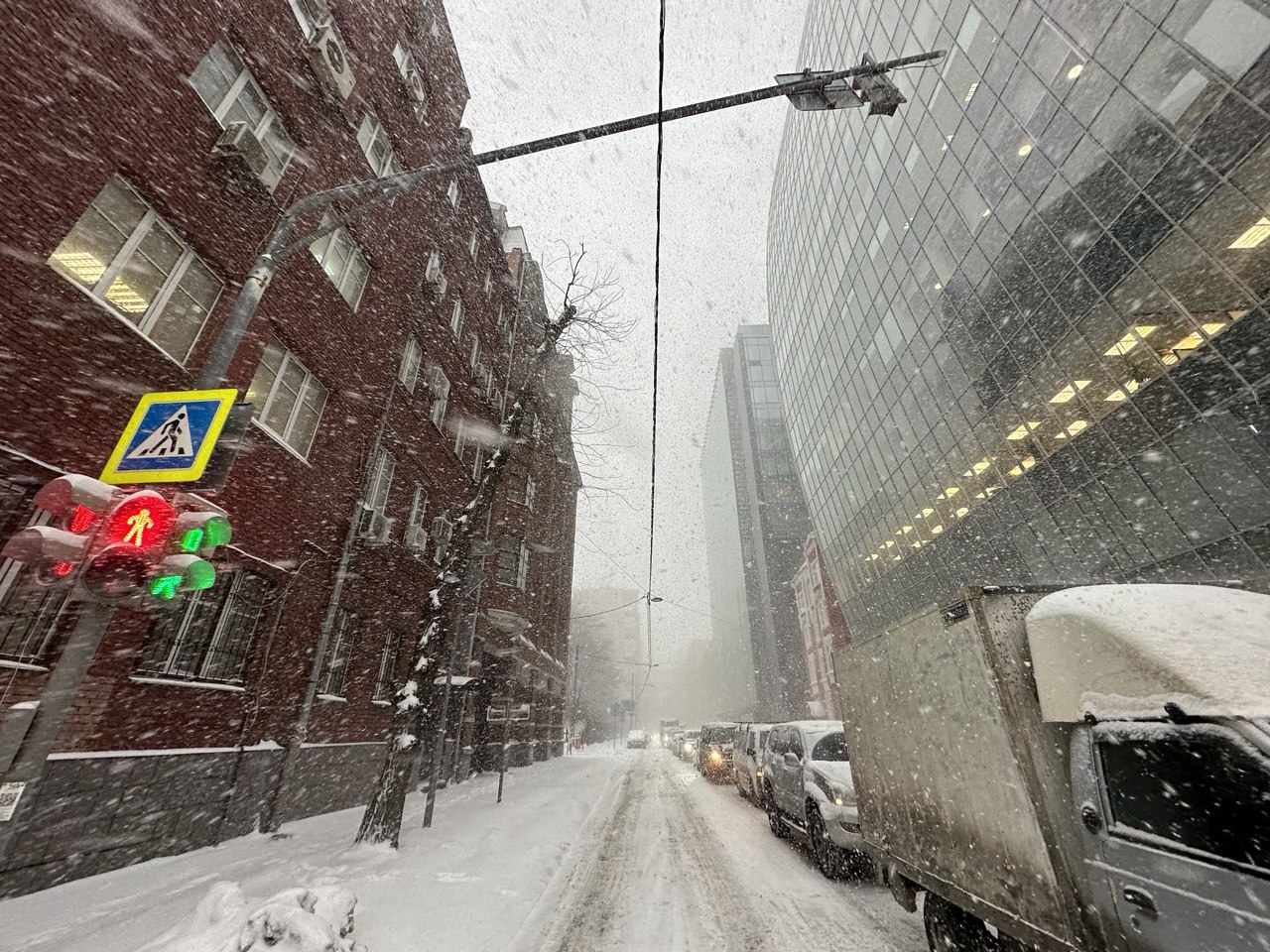
Sources reopened on 29 October 2026. Clothing suggestions are a practical checklist, not a temperature rating or a shopping-price survey. NHS guidance is medical information, not a substitute for a clinician; UK emergency numbers do not apply in Russia.
Check your city, not a stereotype of Russia
A Moscow forecast is not a forecast for Kazan, Tomsk or Vladivostok. On the Hydrometeorological Centre website, select your destination and check temperature, precipitation and wind before departure and before going out. A fixed national winter temperature would be misleading.
Ask the international office about the walk from your dormitory to classes and the nearest public transport. Plan an indoor alternative for long outdoor waits. This is preparation, not a claim that every campus has the same weather or facilities.
Official sources: Hydrometeorological Centre of Russia · Moscow forecast
Build layers, not just one big coat
London Ambulance Service advises suitable clothing and footwear and notes that two or three lighter layers can keep you warmer than one thick jumper. A practical starting list is a base layer, a warm middle layer, an outer coat, a hat, gloves and warm socks. Adjust it to the actual forecast and your time outdoors; no item here is certified for a particular temperature.
Do not plan your budget around an unsourced ‘complete winter wardrobe’ price. Ask current students what they actually use, try footwear on and obtain current prices before buying. Bring enough suitable clothing for the journey from the airport: shopping later is not a plan for that first trip.
Official sources: London Ambulance Service · cold-weather guidance
Ice is a separate problem
Moscow’s city guidance recommends non-slip shoes, careful walking with the whole sole placed down, and watching the ground. Do not rush or turn abruptly while walking. Give yourself extra time rather than running to a bus.
Do not walk onto frozen rivers, ponds or lakes or test ice with your foot. The city warns that ice thickness is uneven. A photograph of people standing on ice is not evidence that it is safe.
Official sources: Moscow city government · winter safety
Numbness is not something to push through
The NHS lists cold, firm skin, numbness, stinging and pain among early frostbite symptoms; fingers, toes, ears and the nose are commonly affected. Redness may be harder to see on darker skin. Get indoors or into shelter and seek medical help if you suspect frostbite.
Hard frozen skin, swelling with loss of feeling, blisters, confusion, slurred speech or slow breathing require urgent help. In Russia call 112 or 103, not the UK numbers on the NHS page. Do not rub the affected area or warm it against a radiator or fire. These warning signs are not a self-diagnosis tool.
Official sources: NHS · frostbite · EMERCOM · 112 system
Your first-week winter checklist
Check the local forecast; try your layers and footwear; locate the nearest indoor stop on your route; save 112 and 103; ask your insurer which clinic you can use for non-emergency care. Keep winter preparation alongside registration, visa and medical-check tasks in the First 90 days checklist, not instead of them.
Official sources: Hydrometeorological Centre of Russia · Moscow forecast · London Ambulance Service · cold-weather guidance · EMERCOM · 112 system
How did this land?
One tap. No account, no email, no cookie banner.
Comments (0)
Be the first to comment!
Written by Vlad Lario
Russian in Lisbon. I read both sides and write down what differs.
About the author