
🚇 Why Slavs Don't Smile at Strangers: Metro Rules, Small Talk, Dating Bills
The "Slavic vibe" is less about looks and more about social code: conserve energy, signal only when it matters, and don't invite strangers into your space for no reason.
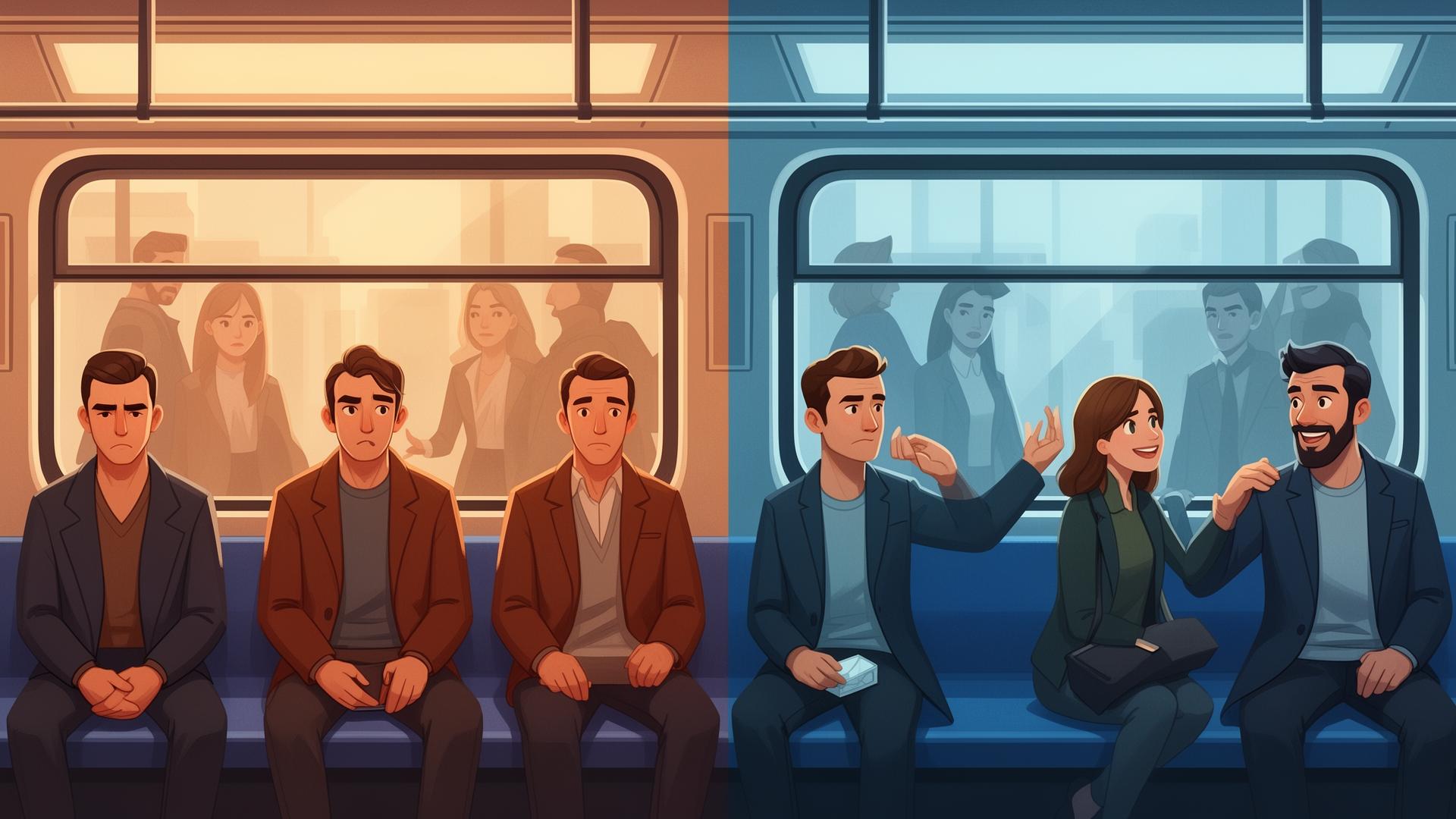
The so-called "Slavic vibe" is less about genetics and more about social code: conserve energy, signal only when it matters, and don't invite strangers into your space for no reason.
A random smile feels like a signal
In many countries, smiling is default politeness. In Slavic settings, smiling at a stranger can look like intent:
- 🤔"What do you want?"
- 🤨"Do I know you?"
- 😏"Are you making fun of me?"
- 💰"Are you selling something?"
Neutral face = boundaries, not aggression.
Why small talk feels weird
"Hi, how are you?" from a stranger can sound scripted. If someone asks, they may be ready for a real answer.
🎯 So people skip the performance and go straight to substance.
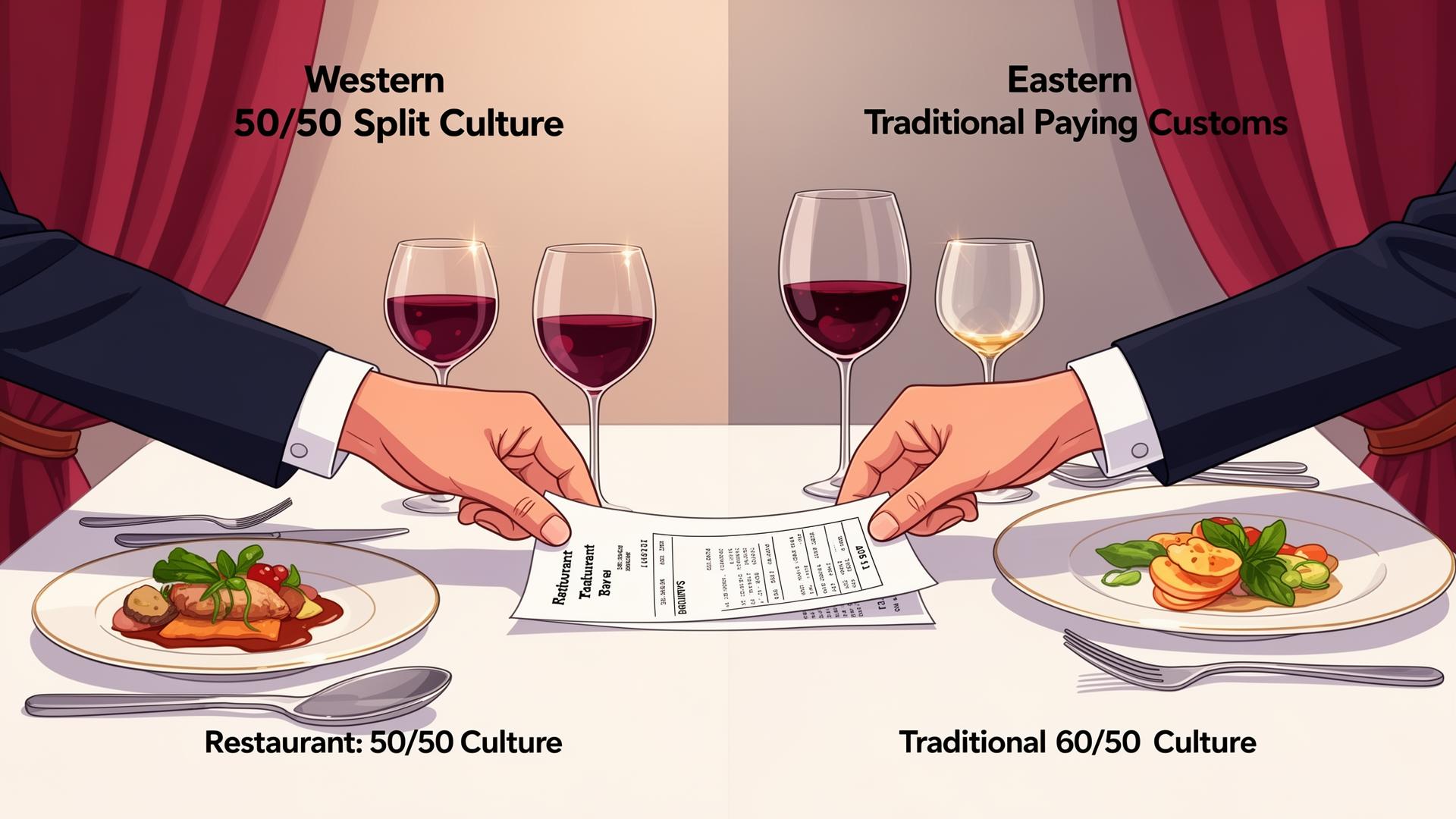
Who pays? Same gesture, different values
Dating: who pays?
🇪🇺 In Western Europe
Splitting can mean equality
🇷🇺 In Slavic dating norms
Paying often means care and seriousness
The clash happens when each side reads the same act through different values.
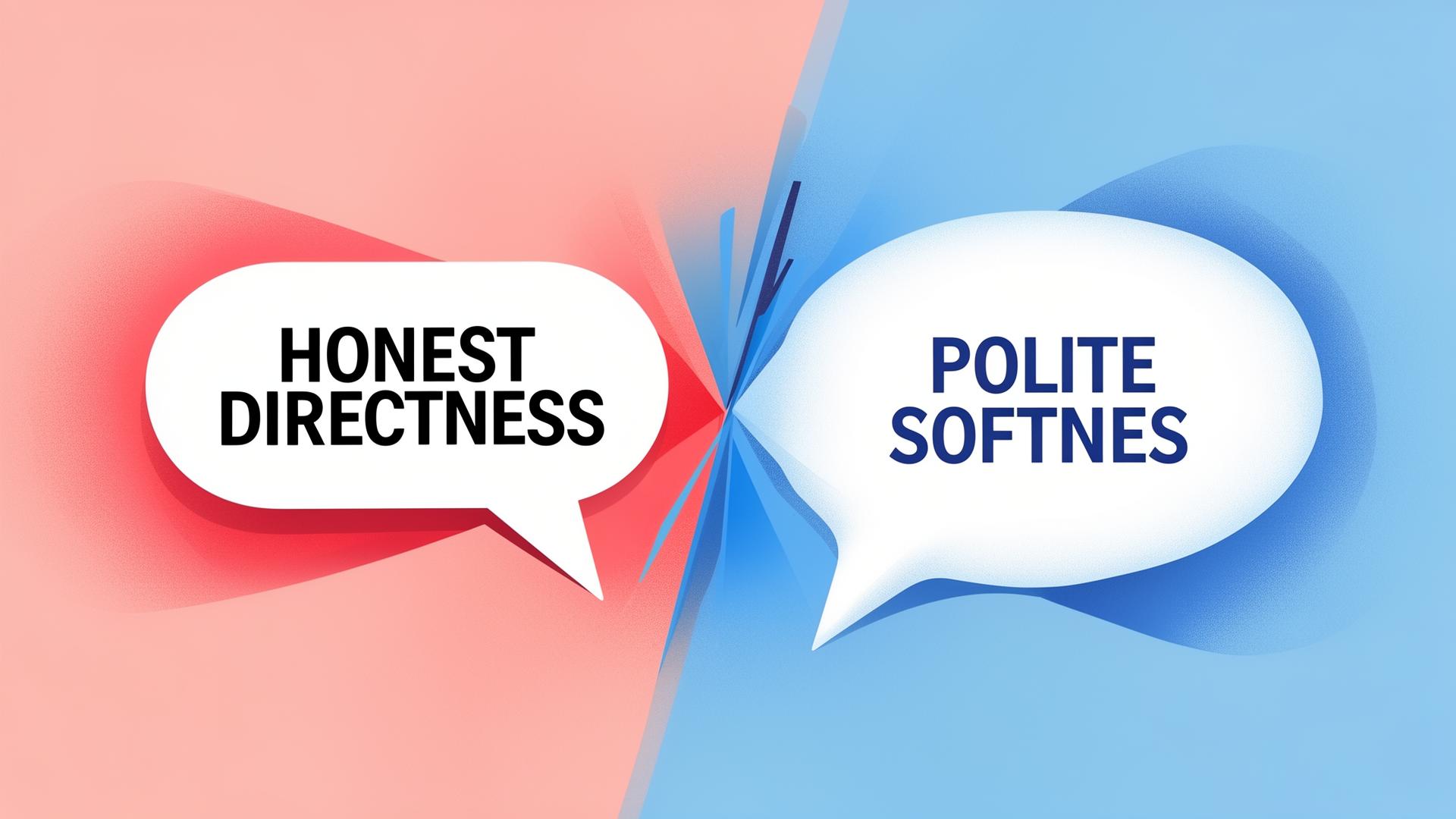
Directness vs politeness
Soft politeness can be read as fake
Blunt honesty can be read as rude
Underneath, it's about what "respect" means: comfort or truth.
💬 Comment battle:
50/50 or he pays — and why?
More cultural breakdowns: TwoNations.org
📚 Read Also
Comments (0)
Be the first to comment!